Balance the rocket before reaching for a star
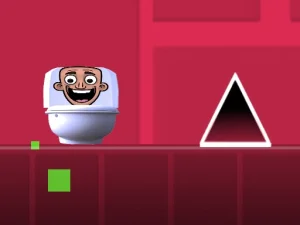
Neon Rocket Game asks you to guide a glowing rocket through barriers without touching them. Stars along the route contribute to a complete result. On desktop, A and D control movement; mobile uses the displayed buttons. Learn how a brief input differs from a longer hold before approaching a tight opening. A large correction can solve the immediate alignment while leaving little room to recover afterwards.
Read the safe path around a star before aiming directly at it. First identify how the rocket can enter and leave that section without touching a barrier. If the same corner repeatedly ends an attempt, change the earlier approach instead of making each movement stronger. Look at the available margin on both sides of the next gap, since a useful route needs space for a correction as well as space for the rocket.
Use the failed approach as information
Remember where control first began to drift, not only the final point of contact. You might have entered the gap off-centre or begun correcting too late. Test one different movement at that earlier point and watch the result through the following barrier. This creates a comparison between attempts rather than a series of unrelated last-second recoveries.
A personal session goal could be passing one troublesome opening with room left on the exit side. That is useful even before completing the whole route. It lets you recognise an improvement you can retain while continuing to learn the later course. The stars remain part of the game's objective, but a controlled approach helps you decide when and how reaching one is practical.
Read the gate in Super Kart Turbo Racers
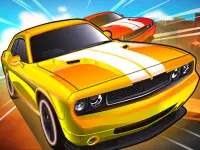
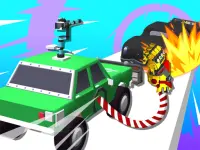
Super Kart Turbo Racers combines kart movement with colour-based decisions and a Stroop-effect theme. Its gate choices ask you to understand a cue while staying on a workable route. The provider lists mouse input for moving the kart. Establish that response before judging whether a failed gate came from selecting the wrong option or reaching the intended one too late.
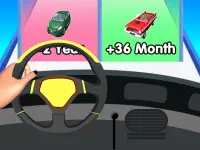
When a word and its visual presentation compete for attention, check which property the current instruction requires. The brightest or closest gate is not automatically the correct choice. Decide on the cue first, then direct the kart toward it. If the result is wrong, separate a reading error from a movement error so the next attempt addresses the uncertainty you actually encountered.
Give solo practice an observable focus
Power-ups add something else to inspect in Super Kart Turbo Racers. Watch the change after collecting one before relying on an assumed effect. Then prepare for the following gate rather than letting the pickup consume all your attention. The rocket game similarly asks you to look beyond a star toward the next barrier. In both, the next object belongs to a route, not an isolated movement.
Visit the Arcade category for other individual challenges. In this collection, choose one concrete question for a replay: did the rocket leave the gap with more room, or did you identify the gate cue before steering? A clear observation makes a solitary session structured and useful without inventing a shared scoring system or compulsory practice routine.