Three different reasons to make another attempt
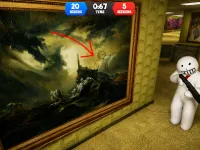
Steal Brainrots From Bosses gives movement a collection objective. You take a Brainrot from another base, avoid its guardian and bring it back to your own area. Planning the route home matters because collecting the object does not finish the job. This suits players who enjoy choosing when to approach a target and when to leave.
Neon Rocket Game asks for a different kind of control. Balance the rocket with A and D, work around barriers and collect stars. Small corrections are useful here: a large input can solve one positioning problem while creating another. Take time to understand how the rocket responds before trying to collect everything on the same flight.
In Tower Boxer, the immediate decision is which side of the tower to punch from as balconies approach. Reading what is coming becomes as important as keeping up a rhythm. It is a good contrast to the longer out-and-back movement of a collection game or the balancing of a rocket.
Read the task before applying habits from another game
Start each title by checking its own instructions. A mouse-controlled game, a keyboard game and a game with touch buttons can ask for very different movements, even when their thumbnails share the same visual style. The collection does not impose one control scheme or one scoring system on every title.
Give the first attempt a narrow purpose. Learn how far one movement carries you, identify the hazard that ends the attempt or work out where the goal is. Then change one decision on the next try. This makes a missed jump or collision useful information instead of a reason to repeat the same input immediately.
Browse the cards for a new setting when the current task no longer fits your mood. The collection includes names such as Paint and Seek Online, Offroad Prado Parking and Subway Walker alongside its Brainrot-themed games. Open the individual page to check its particular objective before choosing a session.
Use different feedback for different arcade tasks
In an out-and-back collection game, reaching the object is an intermediate result. Check the route home before judging the attempt complete. In a balancing game, the useful feedback is the position left after your correction. In a side-switching challenge, it is whether you read the next hazard early enough to choose a safe action.
These distinctions help you review an attempt precisely. A failed return needs a different plan from an overshoot caused by a large input. An obstacle noticed too late needs a different correction again. Name the problem first, then choose a small adjustment that addresses it. This makes another short attempt useful instead of merely familiar.
Build consistency before increasing pace
Repeat a manageable action until you understand its result. You might practise a controlled rocket correction or recognise an approaching balcony without immediately adding more speed. Once that decision becomes clear, test whether a quicker sequence still leaves enough room for the next action. Pace should support the game's objective rather than replace understanding it.
For a personal comparison, keep the selected game and input method stable while trying one change. If you switch devices or open a different title, allow another learning attempt before comparing results. Similar-looking artwork does not establish identical movement or scoring, so carry over your observation habits while learning the exact controls anew.