Connect the objective to the next action
Find the current task prompt and identify the first useful step. Distinguish movement from interaction: reaching a place and activating an object are separate decisions. If you become unsure where to go, reassess the visible objective before wandering farther or pressing every available key.
Choose exploration or immediate action
Some sessions suit a route you can study; others suit a quicker sequence of decisions. Read the chosen game's instructions to make that choice deliberately. Compare the more immediate tasks in Action games, or use the Puzzle collection when you would rather inspect a problem before acting. Keep a short goal in mind so you can recognise progress without assuming a particular checkpoint or save system exists.
Compare camera-based parkour with aimed jumps
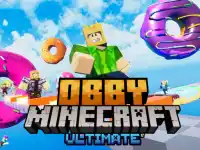
Obby Minecraft Ultimate is a 3D parkour example with 35 levels. The task is reaching the finish across platforms and spikes; it should not be mistaken for a block-gathering construction game because of its name. On desktop, mouse movement controls the camera, WASD moves the character and Space jumps. Read the landing before committing to the take-off.
That separation between view and movement is useful practice. Put both the departure area and intended destination in a readable view, then choose where you want to land. After a miss, examine whether you misjudged the approach, jumped from an unsuitable point or could not see the landing clearly. Each explanation suggests a different correction.
Slime Jump: Crown Quest offers another route-based adventure using a hold, aim and release gesture. Its stages lead towards a crown through intermediate platforms. Instead of repeating a keyboard jumping rhythm, you set up each launch and inspect the landing. Choose this kind of interaction when you would rather assess one jump at a time.
Build a route from useful intermediate positions
The shortest-looking path is not always the easiest to execute. A landing can be valuable because it gives you a clear position for the following jump. Look beyond the immediate platform and consider where the character will face next. This turns a sequence of obstacles into connected decisions rather than isolated reactions.
When a section becomes confusing, return attention to the current objective. Identify the next place that advances it and avoid adding detours without a reason. If the game presents a new tool or instruction, pause your old routine long enough to read it. A strategy that worked on an earlier layout may need a different approach on the next one.
Choose what you want to discover
Some players enjoy working out a route before testing it; others prefer learning through short attempts. Both approaches benefit from a clear observation. Record mentally where an attempt failed and keep the successful part of the sequence. Restarting with an entirely different plan each time can discard useful information about a section you already understand.
For a short visit, choose one stage or one unfamiliar control to investigate. For a longer visit, follow the selected game's actual progression and revisit troublesome sections when available. Check how that game handles returning or saving before relying on it. An adventure theme can suggest a long journey, but the real session structure comes from the options and objectives presented by the particular title.
Before a difficult jump, check that the landing leaves enough space to prepare the following action. A route becomes easier to understand when each arrival gives the next departure a clear starting position.