Start with a verified classic page
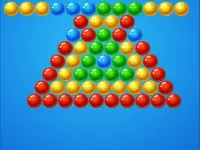
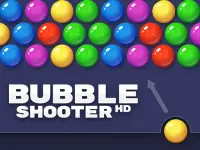
Bubble Shooter is a useful representative game for practising the collection's common decisions. You aim a coloured bubble, place it near matching colours, and manage the remaining board. Exact match thresholds, penalties, previews, special bubbles, and descent rules can vary, so confirm them in the current game.
Read the board before aiming
Identify the current bubble, any next-bubble preview, open lanes, the lowest danger area, and narrow connections supporting bubbles below them. A quick scan helps you choose between an immediate match, a useful placement, or a setup for a larger clear.
Do not judge a move only by the bubbles it removes now. A good shot may preserve the centre, expose a hidden colour, connect two matching areas, or open a route to a support group. A poor shot can complete a small match while closing the angle needed for a much larger opportunity.
Place awkward colours deliberately
When no safe match is available, use a staging area that does not block an important route. Place the bubble where another of the same colour can reach it later. Avoid scattering unrelated colours across the board, because each isolated bubble creates another layer to clear.
If the game shows the next colour, plan the two shots together. The current bubble can prepare a group or clear a path for the preview. Keep the plan simple enough to survive a slightly different landing position.
Practise bank shots with space
The side wall can redirect a shot behind a low cluster or into a narrow gap. Trace the complete route before releasing. Small angle changes can alter the landing point, so practise while the lower board is still safe. An aiming line is helpful, but the final contact and snap position still deserve attention.
Look for supports, not only clusters
Trace lower sections upward to see what keeps them connected. A small matching group near the top can support many bubbles below it. Opening a route and clearing that connection may produce a larger result than working through the branch from the bottom.
Do not force a blocked support shot. Prepare it by removing an obstacle, adding a matching bubble, or waiting for a safer colour. Two controlled turns are better than one low-percentage attempt that adds clutter near the danger line.
Recover without panic
After a misplaced shot, identify the actual damage. If one lane closed, plan a match around the blocking bubble. If the error is minor and another area is becoming dangerous, stabilise the lower board first. Do not spend several risky turns repairing one mistake while ignoring the rest of the layout.
The complete Bubble Shooter strategy guide includes a six-turn practice routine, wall-shot advice, support planning, troubleshooting, and questions for reviewing each move.
Choose the right page for your session
Some collection pages may emphasise relaxed matching, while others use limited shots, a timer, special bubbles, or a different board shape. Read the title and live instructions before playing. Use a slower page to practise aiming and structure, or choose a more demanding variant when you want pressure and faster decisions.
Whatever page you select, use the same dependable cycle: scan the board, choose a purpose, confirm the angle, shoot once, and observe the new structure. Preserve useful space and treat every unmatched bubble as a placement decision. That approach transfers better across related games than memorising one fixed sequence.