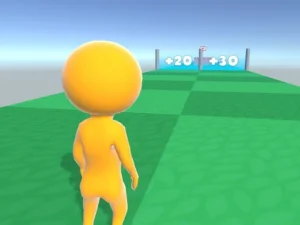
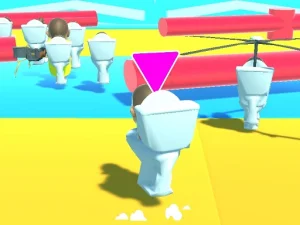
React to the current task in Anti Spider Run
Anti Spider Run uses tap-and-drag input. Begin by observing how a small drag changes your movement, then adjust deliberately when the next situation requires it. Its combination of running, evolution, battles and territory means you should keep the immediate task in view. Do not treat an encounter and a movement section as if the same repeated gesture must solve both. Look at the feedback before choosing your next correction.
After an attempt, distinguish recognising the situation from making the intended movement. If you noticed what mattered too late, change where you direct your attention. If you understood the situation but moved differently from your plan, work on the input's response. Those are separate practice goals. A smaller, clearer correction helps you evaluate the result instead of changing several things and losing track of which adjustment made a difference.
Gather first, then decide how far to run
Obby +1 Roll Ice Cream has a collection-and-sale loop. Moving across fresh ice cream tiles grows the roll. Heading north onto the Sweet Road brings buyers from different biomes into the task, and reaching a deeper buyer can increase the payment. The point is to understand when collecting ends and the selling decision begins, rather than assuming that running indefinitely is always the objective.
Use WASD and the mouse for movement and looking. When a buyer catches you, E makes the sale. The interface also offers a rewarded-video choice to continue further. Read that choice and decide what suits the current attempt. Shop purchases, including scoops, flavours and pets, give the earnings another purpose. Inspect an improvement's displayed benefit before choosing it, then observe how it affects the next gathering run.
Reset your expectations when changing games
A mouse drag and a keyboard movement command are different inputs. Learn the response of the game you have just opened instead of carrying the previous title's control scheme into it. Keep the play area visible and follow the available start prompts. The collection theme does not establish one timer, a shared finish condition or identical progress systems. The individual page and current interface provide the rules for that session.
Choose a manageable goal before starting. In Anti Spider Run, you might focus on recognising which movement decision needs attention. In the ice cream game, you might aim to understand a complete gathering-and-sale cycle before spending the earnings. A concrete question helps you notice what changed. It also gives you a sensible stopping point when you have learned what you wanted to understand.
Use the result to choose your next attempt
If an attempt ends differently from the plan, identify the earliest useful observation. Perhaps the input moved farther than expected, the next situation arrived before you noticed it or you reached a selling decision without understanding its options. Change that part first. Repeating the same action more forcefully is less informative than making one adjustment you can explain. Use the current game's recovery controls when they are available.
These examples offer different ways to enjoy movement: responding to a changing action task or taking a growing collection toward a buyer. Pick the one that fits your attention, and return to the collection when you want another objective. A useful session can be short. Learning a control or recognising a decision is worthwhile without treating every attempt as a demand for a larger score or a longer run.