When the challenge is balance
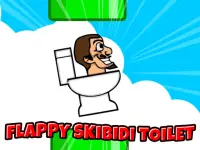
Weight Adjust Game centres on balancing weights across puzzle levels. Begin by identifying what the current arrangement asks you to change. A balance problem is easier to understand when you watch the effect of one adjustment rather than make several changes before checking the result. Use the visible state of the puzzle to decide whether the next move should continue the same approach or reverse it. The aim is a workable balance, not simply the largest possible number of inputs.
Keep observations specific. If an adjustment leaves the arrangement further from the displayed objective, make a smaller or different change on the next attempt. If you are unsure how a control affects the puzzle, test it before trying to solve the whole level quickly. That separates learning the interface from solving the problem. You can then use the game's feedback to build a better explanation of why one arrangement works and another does not.
When the route keeps advancing
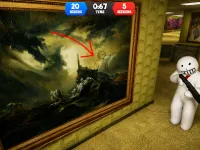
Gate Rusher 2 is an action runner built around moving forward, choosing gates and avoiding obstacles on the way to the finish. Here you need to notice the next choice early enough to act. Look beyond the object immediately in front of you and identify the next available opening. A late correction gives you less room to respond, whereas an earlier decision can make the same section feel more manageable.
Do not carry the pace of the runner into the weight puzzle. Fast repeated inputs are useful only when the game calls for them. Likewise, trying to inspect every detail during a moving run can distract you from the next necessary choice. Match your attention to the task: study the arrangement when it allows careful comparison, and prioritise the next relevant cue when the route is advancing. This distinction helps you choose a game that fits your present mood.
Explore beyond the first two examples
The displayed cards also include Paint And Seek Online, Dinosaur Bone Game, Head Volleyball Sport Game and Army Truck Simulator 2024. Those titles point to different activities, so check their individual pages before expecting a common rule set. A vehicle-themed card is not automatically a race, and an online label does not automatically mean competitive multiplayer. Let the selected game's start menu and instructions establish what the current version actually offers.
For more games where interpreting an arrangement matters, browse the Puzzle collection. For a selection with more emphasis on repeated actions and immediate feedback, try the Arcade category. Either route helps narrow this broad selection once you have decided which part of an example you enjoyed.
Turn a short attempt into useful practice
Set a goal that describes a decision, such as understanding one weight adjustment or recognising a gate before reaching it. These goals are more informative than simply demanding a better score without knowing what caused the previous result. After an attempt, name the point where the plan stopped working. Change that part first. If the issue was an unfamiliar control, revisit the instructions instead of treating it as a problem of speed or difficulty.
Before starting, ensure the game area is fully visible and responds to your chosen input. Controls differ between cards and devices. A browser game may use mouse buttons, directional keys or touch prompts, and the collection does not make those inputs interchangeable. Learn the selected game's response, play a complete attempt when practical, and use this page to find a different activity when you are ready for another kind of challenge.