Choose the kind of thinking you want to practise
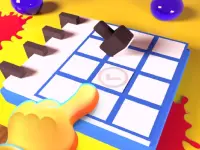
Bloxorz makes orientation part of every decision. Its rectangular block can stand upright or lie across two spaces, and it must arrive at the exit hole in a position that allows it to drop through. A route can look connected while still leaving the block facing the wrong way. Look at the final approach first, then work backward to the position you need before the last roll.
The same attention to occupied space has a different purpose in Fill Fridge. You drag groceries from the table into the refrigerator and try to accommodate the whole group. A bottle and a rounded food item place different demands on the available compartment. Consider the remaining objects before committing the most convenient space to the first item you pick up. A placement is helpful when it leaves room for the rest.
Double Up turns arrangement into a number-merging problem. Blocks are launched into position, with a hold action available for previewing the placement. Think about the layout that a merge will leave behind. Producing a larger value can be useful, but so can preserving an opening that gives the next block somewhere productive to go.
Compare a piece with its destination
Picture puzzles offer another way to use visual evidence. Abby Hatcher Jigsaw Puzzle supplies a faint image beneath the pieces and a choice of difficulty. Rather than dropping pieces at random, look for a recognisable detail and compare it with the guide. A line through a character's clothing or a change in background colour can tell you where a fragment belongs. Once that detail is placed, inspect the pieces that could continue its edge.
These examples do not all reward the same habit. In a jigsaw, the reference image helps establish a destination. In a packing puzzle, you have to judge which destinations leave enough room. In a rolling-block puzzle, you must also predict the shape your next move will occupy. Choose according to whether you enjoy comparison, arrangement or route planning, rather than expecting one familiar rule to explain every game.
Make an unsuccessful attempt informative
Before acting, make a small prediction. Name the space the block should reach, the gap the grocery should fit, or the two numbers the placement should bring together. Afterward, compare the outcome with that prediction. This gives you a specific reason to adjust the next attempt. Changing several unrelated decisions at once makes it harder to understand which one mattered.
When a route repeatedly fails near the end, inspect the position just before the failure. You may need to approach from a different direction or reserve a space earlier in the sequence. Working backward from the final requirement often reveals why an attractive first move leads to trouble later.
Read each game's own instructions before using a keyboard shortcut or a tool. The examples here include keyboard movement, dragging and launching blocks, so the collection has no single control scheme. Start with an easier setting when one is offered, learn how the board responds, then increase the challenge when the basic actions feel clear. Use the game cards to explore another type of puzzle when you want a different pace or a new visual problem.