Fit the shape that actually appears
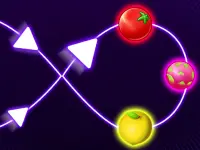
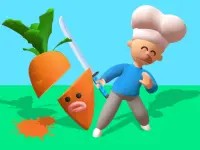
Slices Master - Fruit Slices presents six outer circles around a central incoming piece. Choose an outer circle whose vacant sectors can hold that piece. Complete circles clear space and increase the score. This is a placement puzzle; it does not use a knife to cut fruit flying across the screen.
Read the orientation of the current slice as carefully as its size. An outer circle may contain plenty of empty room overall while lacking the particular sectors your piece occupies. Compare the shape against the destination before clicking or tapping, then inspect the result after placement. Empty space is useful only when its location fits what you need to place.
The small “coming up” preview helps when several destinations are possible. Imagine the current piece fits two circles but the previewed shape has one particularly useful opening. Preserving that opening can be a sensible choice. This is a planning example, so use the actual pieces on your board rather than treating it as a fixed solution for every round.
Make a candy match answer the level target
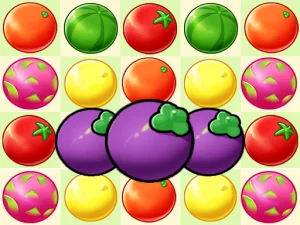
Candy Crush Saga King uses rows of three or more candies, with published features that include collecting sweets, clearing chocolate and boosters. Start by reading the objective currently displayed. A convenient match is most useful when it contributes to that task rather than merely producing an attractive board animation.
Look at the destination of a candy and the neighbours it will meet. After moving it, wait for the changes to settle before planning from the new arrangement. A cascade can create opportunities you did not predict, while also removing a position you noticed earlier. Use the changed board instead of continuing a sequence based on pieces that have moved.
If a booster is available, read its actual explanation and choose the visible problem it should address. This description does not assume an identical tool list, price system or limit on every level. The useful decision is to connect the helper with the current objective, then observe what it changes.
Space and matches are related but different
In the fruit-circle puzzle, the current piece's footprint is the main constraint. In the candy game, useful neighbouring pieces and the objective guide the next move. Both reward inspecting an arrangement, but they do not share the same action. A swipe that makes sense on one board may not explain how to place a sector on the other.
Choose a modest practice goal. You might preserve an opening for the previewed fruit piece or identify the exact row a candy move should complete. Evaluate the intention after the board changes. A successful clear is useful feedback, and so is discovering that you misread which sectors or neighbours were occupied.
Read the activity behind the artwork
A fruit picture does not establish a scoring formula, an endless mode, a time limit or touch support by itself. Read the selected game and the prompts inside its play frame. If the title or instructions differ from another fruit game you remember, let the loaded version establish the task before carrying over the old habit.
The puzzle category offers further arrangement and matching choices. Within this collection, choose whether you want shape placement or objective-led matches, then give the next action a clear reason. Watch how that decision changes the board so that the following move starts from the arrangement you actually have.