Guide the head with a clear destination
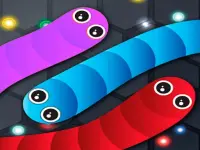
Snake Warz: Eat & Survive uses mouse movement to guide the snake. Glowing food increases length and score, while rival snakes make collisions a danger. Begin in space you can read easily and compare a broad turn with a smaller correction. This gives you a practical reference for how the snake follows your intended direction.
Pick a patch of food and look beyond it before committing. Reaching the first glowing piece is useful only if you still have a sensible continuation. A route that enters a crowded area can become difficult even when the food itself is close. Choose where you expect to be after collecting, rather than treating the next item as the end of the plan.
The listed mouse control does not establish an extra speed command. Do not add a boost key from another snake game or assume a particular collision exception. Follow the current game's actual response and keep the rival positions in view. Similarly, the presence of rivals does not by itself identify every one as a human player.
Read the space as the snake grows
A longer body makes route planning a continuing task. Keep attention on the area your movement is entering, not only on the score gained from the last collection. If the available space begins to close, reconsider the pursuit early. Abandoning one attractive patch can preserve a clearer route to another.
When food lies near several rivals, inspect their directions before deciding how to approach. The opening you first noticed may change while you are travelling towards it. A useful plan responds to that change. Continuing only because you have already spent time on the approach can turn a manageable detour into an avoidable collision.
Make the steering intention readable during practice. If you move the pointer repeatedly between several targets, it becomes difficult to tell which turn produced an awkward position. Choose one route, observe the response and revise it when the space genuinely changes. This is deliberate control, not a requirement to keep following an unsuitable plan.
Review the first restriction, not just the collision
After a run ends, identify where your choices became limited. The final contact may follow an earlier turn into a crowded area or a decision to keep pursuing food after a rival moved across the exit. That earlier point gives the next attempt something concrete to change.
Choose a narrow comparison. You might approach a similar patch from another side, leave it sooner or practise the same broad turn in clearer ground. Preserve the part of the opening you understood. Replacing every movement after each failure makes it harder to recognise whether the change improved your control or your route selection.
Choose another movement challenge deliberately
The Arcade category provides another route for games with immediate movement feedback, while the Action category offers a wider set of active tasks. Check each chosen title for its own input and objective. Return to a snake game when you want the particular problem of collecting while preserving space around a growing route. A useful session leaves you with one clearer decision about where to turn or when to stop pursuing an item.
As you practise, separate recognising an open route from steering through it. If the opening was clear but the turn felt uncertain, work on the input response in quieter space. If steering was controlled but the route closed, review the decision to enter it.