Read both the symbol and the position
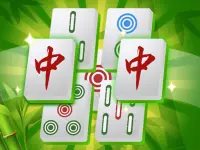
Mahjongg Solitaire provides a clear example within this collection. Its help screen asks you to match the same tiles, choose pieces that are not covered and make sure they are free at the sides. Seeing the same symbol twice is therefore only the first step. A visible tile may still be unavailable because of the arrangement around it.
Look across the board before selecting the first pair you recognise. Compare the patterns closely: several pieces can share a colour while showing different marks or different numbers of circles. Then inspect the edges and the tiles above each candidate. This two-stage check helps separate a mistaken visual match from a pair that is correct but currently blocked.
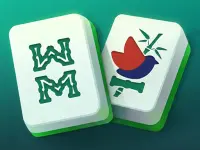
The help screen also shows special flower and season tiles. These groups have their own matching treatment, so use the illustrated rule instead of assuming every legal pair must have identical artwork. Learn which group a piece belongs to before deciding that its partner is absent. That detail matters when the ordinary symbol-matching habit stops explaining an available move.
Choose pairs that improve access
A pair can do more than reduce the number of pieces. Removing it may reveal a covered tile or free an edge that was previously blocked. Before committing, look at what the two spaces would expose. When you have several possible pairs, comparing their effect on access can give you a reason to prefer one over another.
Try to notice repeated symbols in different parts of the layout. If one copy is deeply trapped and another is easily available, their positions create different future possibilities. You do not need to predict the whole solution, but you can ask whether the current pair opens a useful region or simply clears pieces that were already easy to reach.
Mahjongg Solitaire displays an Open Matches counter, a timer and a remaining-tile count. Use those indicators alongside the board. A low number of available matches is a reason to inspect the layout carefully, rather than proof that every matching picture has disappeared. Its Hint button can draw your attention to an option; after using help, examine why that option was legal.
Do not carry one rule into every tile game
Entries with Connect, Sort or Dimensions in their names invite you to inspect different kinds of puzzles. Read the actual instructions before applying the side-access rule from Mahjongg Solitaire to another title. Likewise, a timer, hint or other tool seen in one game does not establish what is available throughout the collection.
In Gorillas Tiles Of The Unexpected, identical pictures appear on a board with layers to uncover. It offers a useful comparison because clearing a match changes what you can see next, while its own rules determine how the pieces can be selected. Treat that as a fresh board to learn rather than another name for the same game.
If you prefer arranging space without searching for a symbol pair, Fill Fridge asks you to fit groceries into compartments. The broader Puzzle games collection lets you explore those different decisions. Choose a tile game when recognising matches and opening access interests you; choose another puzzle style when you want the next action to solve a different kind of spatial problem.