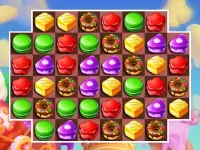
Kitchen games are a popular genre where players simulate various cooking and kitchen management tasks. These games often involve a range of activities including preparing meals and managing resources efficiently. Players can enjoy the excitement of running a kitchen and serving customers in a simulated environment. Engaging in kitchen games enhances multitasking skills while providing a unique gameplay experience. General Info: kitchen games Players can enhance their skills by preparing dishes and managing resources promptly (collect ingredients and serve meals in the kitchen game). Technical Overview Kitchen games typically feature intuitive controls allowing players to interact with various elements in a kitchen setting. Players can build their culinary repertoire by matching recipes and placing ingredients strategically to create meals. Obstacles can arise that require quick thinking and efficient resource management. Strategic Guidance Observe how ingredients combine to create successful dishes while managing time effectively. Players should prioritize completing tasks in a timely manner to maximize efficiency. Utilizing a methodical approach can enhance performance in kitchen games. kitchen Player FAQ Q: What are the controls? A: Controls vary by game. Q: What is the main objective? A: Serve meals to customers. Q: Is there touchscreen support? A: Yes many games support touchscreens. Q: What is the primary mechanic? A: Players collect and prepare ingredients.
Last Updated:
Games to try on CrazyGamesOnline
Kitchen Sorting puts ingredients into a puzzle of groups and containers. Start by looking for the colour or item nearest an opening. Find another group that can accept it and check what the move will reveal beneath it. Keep one place available for a temporary move when the layout allows it. A container that is almost complete can be a useful target because finishing it may simplify the board. Look at the new arrangement as soon as a group moves.
Baby Panda Magic Kitchen gives you recipe activities with prompts. Find the ingredient or utensil the game points to and try one step. Watch how the scene changes after it completes. If the next instruction uses a different tool, locate it before starting. A familiar kitchen picture can still hide a new action in the same part of the screen. Take the first recipe slowly enough to see how the player marks progress.
Follow one sequence to the end
A sorting puzzle rewards seeing what another move will make possible. A recipe asks you to finish the current stage before it reveals the next. Use the display to tell which kind of decision you are making. If two ingredients look close in colour, compare the shape or label. If two containers are nearly full, check which one leaves you a useful open place afterward. Finish a short recipe or one sorting level before switching games. That gives you a complete sequence to remember. When a later scene gets busy, return to the same habit of finding the current prompt, making one deliberate input and checking the feedback before moving on.
Before the next round
Read the controls inside the player before beginning a new round. Check where the game places the current objective and which part of the screen confirms a completed action. A first attempt is a chance to learn those signals while the layout is still simple. Choose a small goal you can recognise without watching every part of the display at once. After an action, give its animation time to finish and look at what changed. If the next prompt appears in another area, find it before repeating an input from the previous step. On a touch screen, keep the part you are trying to inspect visible while reaching the controls. Try the available play view if a hand or the pointer makes a small detail difficult to see.