Track the cup through the whole shuffle
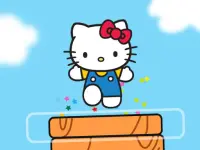
Hello Kitty and Friends Finder asks you to remember which cup hides the character as the cups move around. Look at the cup before the shuffle starts. Keep its position relative to the others in mind rather than remembering only the area of the screen where it began. When two cups cross, follow the one you were watching to its new place. You will soon see whether you can keep a single movement clear or need a reference like a neighbouring cup.
If a shuffle moves quickly, pay particular attention to the first crossing. Once you lose track of the cup at a crossing, following another one confidently can make the wrong answer feel convincing. After the cups stop, recall the last change you saw clearly. Select the location that follows from that change if you can. On the next attempt, watch the crossing where your view previously became uncertain.
When a round gets more difficult, concentrate on the centre area where paths are close together. The outer cups may be easier to see before and after the movement, so give the middle the attention it needs during the shuffle. Try to remember an order, such as left to middle and then to the outside. A short sequence of changes can be easier to recall than a blur of the whole scene.
Watch the return path on a pinball table
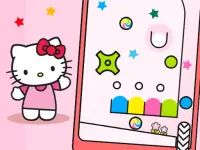
Hello Kitty Pinball uses a pinball table with character-themed decoration and bumpers. Make an early launch and watch the ball after the first hit. Its return tells you more about the table than the direction of the launch alone. Look at the paths from the upper part of the scene back toward the bottom. Some bounces may give you plenty of time to respond, while others send the ball toward a narrow area quickly.
Read the controls that the player shows and try one input at an easy moment. If the game gives you a choice about the launch, compare two attempts that begin in a similar way. Notice whether a small change sends the ball toward a different part of the table. A clear comparison is useful even when neither attempt gives you the score you wanted. You can use it to recognise a promising route in a later round.
If your attention follows the scoring animation for too long, shift back to the ball as soon as you can. A score tells you what just happened. The ball's new position tells you which part of the table to watch next. Over a few attempts, look for a bumper or area you can reach in a way you recognise. It makes the round feel more repeatable even when some bounces surprise you.
Pick a game you can follow comfortably
A cup shuffle is a good choice when you want one short puzzle with a visible finish. Try pinball when you want to follow movement through several parts of a table. For further score and timing challenges, see the Arcade category.
Choose the opening task based on what you can see on the device you are using. Small objects can be harder to track in a narrow browser window. Try a single shuffle or launch before settling in. Once you can see which movement matters in that first round, you can decide whether to keep playing or try a quieter card.