Plan where a fruit will arrive
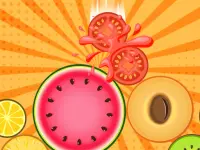
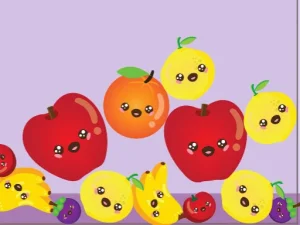
Fruit Candy Merge asks you to drop fruit candies so identical pieces can combine. Before releasing the next one, look for the matching piece you want it to reach. The intended contact and the available space are more useful references than simply dropping each new fruit into the least crowded-looking area.
Tapping releases the piece. Watch what happens before choosing the next placement, because the arrangement can change after a merge. A space that was open before the combination may now have a different shape or be occupied by a larger result. Your next decision should use the board that exists now rather than a picture you remember from the previous drop.
The game includes a Remove Smallest Item button. Read its current availability and any condition it displays before building a plan around it. A visible helper does not establish an unlimited supply. Decide what removing a piece would actually improve, and compare that benefit with an ordinary placement that keeps a useful matching opportunity accessible.
Distinguish a merge from a candy swap
Candy Crush Saga King provides a neighbouring candy-themed example within this mixed collection. Its central action is swapping adjacent candies to make matches of three or more. That is a different decision from releasing a falling fruit. You choose an exchange on the current board rather than a drop position above it.
Read the displayed level objective before choosing the most obvious match. Chocolate, sweets and available boosters make the current arrangement relevant, but the useful question remains whether a move advances the task in front of you. A large visual effect alone does not explain its value. Inspect the board after the action settles before planning another swap.
Keep this browser game's instructions separate from expectations based on a similarly named mobile title. The current screen defines its targets, counters and available tools. The collection label also does not turn every candy into a fruit or make every card a version of the same matching system. Each game needs to be understood on its own terms.
Make room for the next useful action
In the dropping game, useful space helps a piece reach an identical partner. In the swapping game, useful opportunities come from the neighbouring arrangement and the level goal. Before acting, name what you expect to change. Afterwards, compare that expectation with the result. This simple habit makes an unsuccessful attempt more informative than immediately choosing another colourful piece.
If you keep reaching an awkward position, review the earlier decisions that made it difficult. The final crowded board may be the consequence rather than the cause. You might have blocked access to a matching fruit or spent swaps on combinations unrelated to the objective. Choose one of those possibilities to examine during the next attempt.
Browse for the rule you want to practise
The Puzzle category is a broader destination for arrangement and matching tasks. Pick a game according to its action as well as its artwork. A fruit picture can make recognition inviting, but the challenge becomes clearer only when you know whether you are dropping, selecting or swapping, and what a successful sequence is meant to achieve.
When a position becomes difficult, resist judging every earlier move as wrong. Preserve the choices that created useful access, then identify the first placement or swap that restricted it. That makes a replay a focused comparison instead of another complete sequence of guesses.