Decide which surface you want to reach
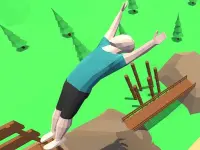
Mini Flips Plus uses side switching, coins, and hazards in short platform puzzles. Look at the route as soon as a stage opens. Find the next coin and identify the surface that would let you move toward it. Then check where the flip takes you from your current side. It is easier to pick a moment when you can already see where you want the character to end up.
On an opening attempt, use one flip where you have room to watch the movement. Notice how the character changes sides and what remains in the way on the other surface. If a coin sits near a hazard, take a moment to trace the route beyond the coin. A path that reaches the pickup can still leave you heading toward a difficult part of the screen. Choose an approach you can carry through to the next clear spot.
If a stage ends at the same place twice, look back at the moment you chose to switch. On the next attempt, use a landmark in the level to help you decide when to act. You might switch after clearing a ledge or before reaching an obstacle that previously left you with little room. Try this with a coin you can see clearly first. Learning one part of the route can make a later sequence of switches easier to understand.
Use the landing to read a bottle's rotation
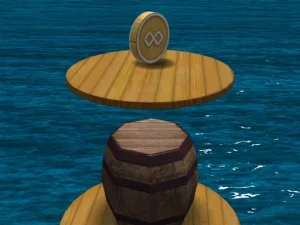
Ultimate Bottle Flip Game puts the focus on flipping a bottle and getting it onto a surface. Check what the player asks you to do, then start with a landing you can see from the beginning. Watch the bottle as it reaches the top of the motion and then as it approaches the surface. Its last quarter turn gives you a clue about whether your next flip needs more or less movement.
A bottle can reach the right area and still touch down at an awkward angle. Before you change everything, separate those two results. If it reached the surface but came down tilted, pay attention to rotation. If the angle looked good but it missed the surface, focus on where it travelled. One clear observation makes the next attempt easier to compare.
Once you find a successful landing, repeat it from the same kind of start if the game allows. Then see what changes when the surface is farther away or sits at a different height. The useful part of a practice round is recognising how the bottle looked before it settled. That gives you something you can adjust even when the next platform looks unfamiliar.
Pick a short flip challenge
Choose a platformer when you want to think about how a switch changes the rest of a route. Choose the bottle game when you want a series of small attempts with a clear result each time. Both are easy to sample in a brief session if you learn the controls on a visible opening. Try reaching one coin and moving away from it, or making one upright landing and repeating it.
For other short movement challenges, visit the Arcade category. A game can use the same theme and still need a different kind of timing. Read the first scene and choose the motion you want to practise. Watching the complete effect of one input is a good way to decide whether to continue into the next stage.