Share a board in Master Chess
Master Chess offers a local menu for two people on one device and a match against the computer with three difficulty symbols. A separate network option appears on the opening screen, with availability depending on the online service. For a local match, agree whether you want to discuss positions during practice or play each turn without advice. That small decision helps both players understand the session they are joining.
Select a piece and destination using the board controls. The objective is checkmate: the opposing king is attacked and has no legal escape. Capturing material helps only when the resulting position remains safe. Before committing, inspect the opponent's checks, captures and threats, then imagine a strong reply. A piece that looks available may be defended or may distract you from a more urgent threat to your king.
Learn together without confusing a rejected move
If an attempted move is not accepted, check whether another piece blocks the path or whether moving would expose the king. Repeated clicking does not make an illegal move legal. Developing knights and bishops, defending pieces and avoiding repeated queen moves without a purpose provide manageable practice aims. When the opposing king has little room, distinguish a checkmating position from stalemate before assuming the game is won.
A computer difficulty can provide a separate learning setting when a partner is unavailable. Read the actual menu and use a manageable option while learning piece movement. The local two-person format remains different from an online match, so decide which you intend before relying on the network button or expecting a remote opponent.
Race for deliveries in MCraft TNT
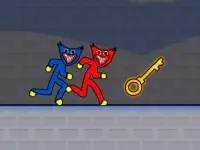
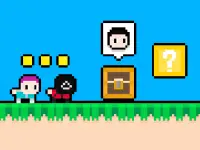
MCraft TNT 2 Player Game sets red and blue players against each other. Catch flying TNT and bring it to your chest; the first player to collect twenty wins. Red moves with WASD and blue uses the arrows. Before a serious round, let both players test their key positions so unfamiliar reach does not become confused with a difficult route.
A pickup has value in the context of its return trip. Watch where an item becomes reachable and how far you must travel back to the chest. Chasing it across the whole screen can be less practical than choosing a nearer delivery. Use an opening round to learn the space and the movement of the items, then compare one approach with another instead of treating every visible TNT piece as equally useful.
Agree on the setup before comparing results
You can swap keyboard positions between MCraft rounds so each player experiences both layouts. In chess, you can review a particular position after a turn or completed match. Those are optional practice arrangements, not additional game rules. The useful comparison is whether a changed decision improved a position or shortened a delivery, rather than assuming the format alone makes two attempts equivalent.
The completed 2 Player category provides other shared-play choices. Within this tag, select the kind of competition first: alternating decisions on a board or simultaneous movement toward a delivery target. Clear expectations, accessible controls and an understood winning condition make the session easier for both people to enjoy and improve.