Work with the tops of stacks
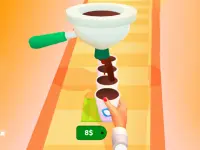
Hexa Stack Sort presents colored hexagonal tiles and asks you to group pieces by color. On a new board, identify which colors you can reach and see where each one might go. A useful destination holds a color you can continue working with, or provides space for a group you need to move out of the way. The first thing you can move may be less valuable than the stack it would prevent you from using afterward.
Keep one flexible area when you can. If every available destination contains a different group, moving a new stack becomes harder because you have committed all your spare room. When you see a chance to clear a color group, check whether it also opens access to the pieces below it. Clearing one patch at the right time can simplify several later moves.
Read the top of each stack again after a match. A newly exposed color changes which placements make sense. It is easy to continue looking for the color you were working on even when another has become easier to complete. Pause and choose the next group from the current arrangement. If you get stuck, look for the moment when an empty or flexible space stopped being available. The move that used it is a better starting point for practice than the board's final state.
Build height for the section ahead
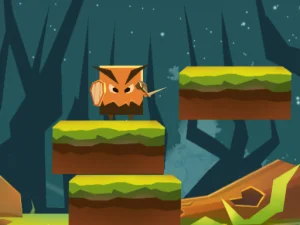
In Stacky Bird, you build a chain of eggs beneath a moving bird to help it pass obstacles. See how the opening stretch responds to one stack action. The change in height gives you a reference you can compare with the next obstacle. Aim for what the immediate section needs. While a taller stack may clear a low wall, the course can also contain spikes, monsters, and other features that change the useful height or timing.
Look beyond the leading edge of the obstacle. Ask where the bird will be once it reaches the other side, especially when the next hazard is close. If you wait until the bird is at a wall, there may be little time to distinguish the wall from the obstacle that follows. Choose your response from a little farther away and watch how long it takes to build height.
When an attempt ends, recall whether you noticed the hazard in time and whether the stack reached a suitable height. If you saw it early but built too little, try adjusting the number of inputs. If you noticed it late, shift your attention farther along the route. Those two mistakes may look alike after a crash, but they point to different practice goals.
Pick a stack you can read
For a puzzle session, make a color group while keeping a place open for the next stack. For an action session, clear a small run of obstacles while watching how much height you use at each one. The Puzzle collection is a useful next stop if you enjoyed choosing positions and seeing the board change.
As you browse the other cards, check whether the pile is about color, reach, or timing. Use the first move to learn what an extra layer does. Once its effect is clear, you can make a deliberate choice about whether the next piece belongs in the stack right away.