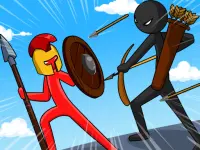
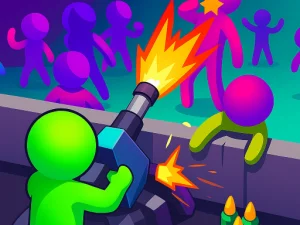
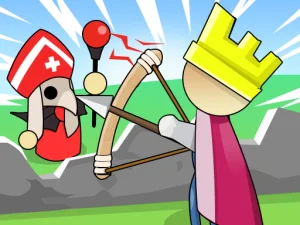
Real-time-strategy games focus on continuous decision making and resource control across active battlefields. Players manage units, construct buildings, and direct forces in simultaneous action environments. The genre emphasizes tactical positioning and long term planning during live encounters. This real-time-strategy game category demands constant awareness and efficient command execution.
Last Updated:
General Info: real-time-strategy games
Promptly initiate commands to gather resources and deploy units (direct control) while expanding territory and engaging enemy forces.
Technical Overview
Real-time-strategy games use direct unit control and continuous resource gathering to enable dynamic base construction and army production. Standard mechanics include fog of war, pathfinding, and unit collision which influence tactical positioning and real-time-strategy game combat outcomes. Interface elements provide minimap views, command queues, and selection groups to manage multiple fronts during active gameplay.
Strategic Guidance
Observe enemy movement patterns and prioritize resource nodes to maintain production advantages and map control throughout engagements. Allocate defensive structures and offensive units based on terrain and threat assessment to protect key assets. Maintain economy growth while coordinating attacks to exploit weaknesses in opponent formations during real-time-strategy game sessions.
real-time-strategy Player FAQ
Q: What are typical controls? A: Direct unit selection and command inputs guide movement and actions. Q: What is the primary objective? A: Destroy enemy bases while defending your own structures and units. Q: Is there touchscreen and tablet support? A: Many titles adapt interfaces for touch input and larger displays. Q: What is the primary mechanic? A: Manage resources to build units and control territory in real time.