Find a clear starting point in No One Crash
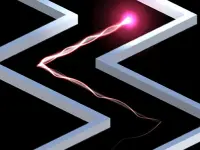
Choose No One Crash for a run built around keeping a glowing ray inside a narrow track. The opening menu offers One Ray and Two Rays. One Ray gives you a clear reference while you learn to read the walls and the approaching corners. Follow the displayed controls for the device you are using, then observe the point's movement before trying to extend your time.
Watch a corner in two pieces: where the ray approaches the bend and where the route continues on the far side. Focusing only on the point can make a turn feel late. Looking too far ahead can make you lose track of where the point is now. Alternate between the visible space around the ray and the next change of direction until you can see which part needs your attention first.
When a run ends, choose a specific reason to revisit the section. If you had not noticed the bend until the wall was close, shift your gaze a little earlier. If the ray was already close to the boundary before you acted, practise approaching that section with more room. A single deliberate change is easier to understand than several hurried inputs at once.
Decide whether you want one route or two
One Ray lets you focus on one point and its next corner. Two Rays adds the task of noticing which point needs attention while you are also following the other route. Start the second mode for practice rather than using the first result to judge your best time. Look at the instructions shown on screen and notice which bend draws your eyes first.
Keep separate impressions of the modes when you compare attempts. A short Two Rays run can still teach you where you lost sight of one route. A longer One Ray run can show that your preparation for a specific turn improved. Judge each attempt by the decision you wanted to practise, and check the time after you have stopped moving.
Read the other cards by their actual objective
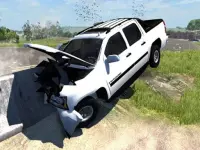
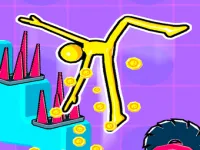
The collection also displays cards for Ultra Crash Car Simulator 2026, No Pain No Gain Ragdoll Sandbox and One Line Drawling. These titles are useful signposts: a car simulator and a drawing puzzle offer a different activity from following a light inside a track. Open the card that fits your mood and read the new game's objective before bringing over the controls or timing from your previous session.
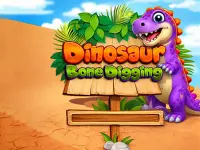
Another visible title, Dinosaur Bone Game, provides an especially clear change of pace. Its task involves searching for fossils and assembling skeletons. A player who wants to study a scene rather than respond to a moving bend may prefer to try that card next. Compare what you actually need to watch: the nearby terrain in a fossil search, or the next visible direction in No One Crash.
If you want the ray game to remain the centre of your session, return to the same mode after a break. It is easier to tell whether a change helped when you have a familiar track shape, a familiar input and one observable problem. For a longer look at that process, read the No One Crash guide to reading corners. For another type of short browser challenge, browse the Hypercasual collection and choose by the objective shown on the game's page.