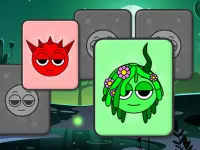
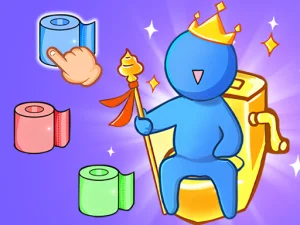
Drop fruit toward a reachable partner
Fruit Candy Merge builds its puzzle around releasing fruit candies from above. Identical items combine into new combinations and score points. The useful question is where the falling object can settle relative to a match, rather than which adjacent pieces you should exchange.
The publisher's instructions use a tap to release an item. Locate a matching piece, then inspect the space above and around it. An unrelated object can make a visually tempting target difficult to reach. Choose a position with a plausible route and let the drop and any resulting merges finish before making the next decision.
Inspect the arrangement that remains. A combination can open a new opportunity or leave another piece somewhere different from the position you expected. Dropping again without looking can hide a useful match and make it harder to understand which decision caused the pile to become awkward.
The listed Remove Smallest Item button offers another action. Read its current conditions and availability before using it. Identify the obstruction you hope to clear and observe the result; the button's name does not establish unlimited uses or a particular price. A helper is easier to evaluate when it addresses a specific problem.
Make merges while preserving useful slots
Color Coin Merge is a sorting puzzle involving coloured coins and slots. Make merges to clear the board while a clock adds pressure. The effect of a placement includes the space it occupies, so a move that feels convenient now can reduce the options available for the following coin.
Look for patterns close to clearing before choosing a slot. Compare the opportunity with the room you will have afterward. Follow the current input prompts to select and place coins, then wait for the response before assuming the next situation has the same shape.
Unique coins can change the task. Read their cues rather than treating every piece as an ordinary colour. The named power-ups include Hammer, Free Move, Shuffle and Time Slot; their current explanations help you decide whether they address time pressure, restricted space or an awkward arrangement.
Distinguish recognising from executing a match
In the fruit game, you may identify the correct partner but choose a dropping position that cannot reach it. In the coin game, you may recognise the colour but use a slot that interrupts a more useful arrangement. Separate those problems before changing your strategy. Better pattern recognition and better placement are related skills, but they are not identical.
After a failed attempt, remember the move that first made the next decision difficult. Preserve a successful opening and adjust that placement. This creates a clearer comparison than changing the whole sequence or trying to make every gesture faster.
Find another arrangement to solve
The completed Puzzle category offers more tasks involving patterns and position. Use this matching collection when you want combinations to drive progress, and read each chosen game's own requirements before assuming a universal group size, swap rule or helper effect.
Use a newly opened space deliberately. In a dropping puzzle, check whether it gives the next fruit access to a buried partner. In a slot puzzle, check whether it can accommodate the next useful coin without separating a near-complete pattern. The value of free room comes from the options it preserves, rather than from filling it as soon as it appears.