Read where the orbit will carry you
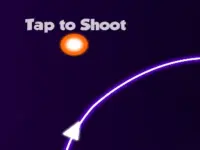
Orbit Loop Revolution is a moving arcade challenge where you flip your orbit to avoid hazards and collect stars. Watch the starting path for a moment and identify where the next opening sits. Use an early switch to see how the character moves from one orbit to the other. Notice where it enters the new circle and which way it continues. The point where it joins can matter more than the size of the circle.
When a star appears, follow the route you would need to take after collecting it. If a hazard is near that part of the circle, check when it will meet the path you want. You may be able to reach the star now and still leave room for a later switch. When two routes look possible, choose whichever makes the move after the star easier to read. That gives you time to see the new scene before making another decision.
If a run ends at a similar place twice, think about when you recognised the hazard. Try watching the next segment of the circle sooner. If you had plenty of time but came into the new orbit in the wrong position, change the switch point instead. A single change helps you tell which part of the run needed work. You can try it on one familiar section before worrying about the score.
Follow a connection all the way around the board
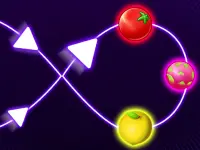
Loop Master presents puzzle pieces that form cycles when their connections line up. Begin with a part of the board where you can see an obvious connection. Follow its path with your eyes and see where it stops. The open end gives you a place to begin inspecting the pieces next to it. Completing one short path can make the rest of the board easier to read.
Check both ends of a piece before changing it. It can join the open connection on one side while breaking a connection you already had on the other. Try tracing the outline that would result from the change. Once you make it, look back at the point you started from and follow the route again. A line that looks closed from one corner can still have a break farther along the board.
When several pieces have possible positions, choose one that borders a finished part of the loop. That gives you a visible reference for its next connection. If the path keeps ending at the same piece, look farther back for a choice that could have sent it in a different direction. It is a useful way to revisit a puzzle without undoing every earlier move.
Pick an active or a quiet start
Choose the orbit game if you want to follow motion and decide before a hazard arrives. Try the board if you want to spend a little longer inspecting directions. For more arrangement challenges, browse the Puzzle category.
For a short session, aim to make one clean orbit switch or trace a loop you can follow back to its starting point. Check the controls on your device first. Then watch the full consequence of the move. Once you can see what the change did at the other side of the scene or board, you can use that information for a more complex attempt.