Start at a manageable scale in Farm Land
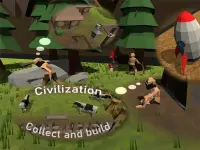
Farm Land: Farming Life Game gives you a farm to develop through growing crops, raising animals, and expanding your layout. On an early visit, follow one crop from planting to harvest and watch what the game asks you to do with the result. That short cycle makes it easier to recognize which prompt concerns the field and which one concerns a new area or upgrade. A second plot will make more sense after you know what the first one demands.
Pay attention to repeated trips. If you spend most of a round crossing the property, find out whether the tasks at either end can be done together. Visit one area, finish what is ready there, and then move on. When a purchase is available, consider what it changes in your next crop cycle. Improving a task you repeat can make the farm easier to use, while opening a new activity can be a better choice when the existing routine already feels comfortable. Let the next few visits show which one helps.
The same approach works when animals add another commitment. Look for their prompts and check when you can leave them to do a field job. Try adding one activity at a time, so it is clear where the extra work came from. You can expand once the order of your usual tasks is familiar.
Shape the field in Farming 10x10
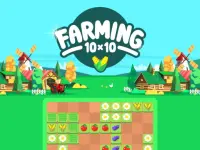
Farming 10x10 uses a field grid where placement and clearing make room for later crops. Look at the width and height of a piece before moving it. Outline a possible spot with your eyes and account for every occupied square. An empty strip along the boundary can seem ideal for a long piece, but one occupied cell at the end can change what will fit. Check those end cells before committing.
Clear a line when it makes the field more flexible. If you have a choice between two clears, picture the empty area each one will leave. Adding several free cells in a row can be worth more than leaving the same number scattered around the field. A patch that remains open in more than one direction allows you to place future pieces with fewer awkward gaps.
When the field starts closing in, identify the section you can still improve. A nearly complete line with a gap you can actually fill is a better focus than an isolated patch with no obvious use. When a round ends, look at the last large piece you could not place and trace which earlier placement separated the empty squares it needed. That gives you one concrete choice to try differently.
Choose by the kind of progress you want
For a longer visit, set a farm goal you can notice, such as finishing a harvest cycle and making one useful improvement. For a short round, see how long you can keep the middle of the grid open. Players who enjoy making room for pieces can find similar planning challenges in the Puzzle category. Players who choose the farm for the setting can stay here and sample another card with a different crop or vehicle.
If the first game asks for more upkeep than you want, try a grid. If the grid feels too abstract, give the farm a little time to show how its routines connect. In either case, let the first few actions determine whether the game suits the session.