Search for complete words
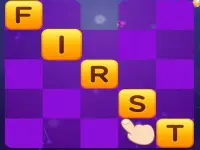
Super Word Search Game places words inside a letter grid. Begin with the displayed word list, choose a target and check the complete spelling before selecting a possible route. Finding the opening letters is only the start: a similar sequence can lead you away from the word you actually need.
The game offers Easy, Medium and Hard modes. Hard adds a timer and multiplied points, so its pressure differs from a slower search. If your aim is to practise accurate recognition, start with a mode that lets you read the whole word comfortably. Choose Hard when you deliberately want to combine that accuracy with the displayed time constraint.
Use the current mouse or touch instructions to make a selection. Inspect the direction and remaining letters before committing to a candidate. Do not assume that every direction permitted in another word-search title is automatically available here. The grid and the game's response are the references for deciding whether your intended selection is valid.
Give the search a repeatable method
Pick one word rather than switching targets whenever a promising letter catches your eye. Scan for its first letter, then compare neighbouring letters with the spelling you have just read. If a candidate fails partway through, return to the target rather than quietly changing the word you are trying to find. This helps distinguish a genuine match from a familiar-looking fragment.
When a word is found, inspect how the list or grid marks it before moving on. That response prevents you from spending time searching for something already completed. In a timed mode, a consistent method can also reduce hesitation: you know what you are checking, why a candidate has been rejected and which word is next.
Follow a visual sequence in another setting
Happy Birthday Party offers a different example from this collection. Its panda celebration uses pictured choices and hand prompts. The sequence includes selecting a tablecloth and moving a cake from its tray to the table. The activity is about following the scene's current request, rather than searching for letters or managing a restaurant business.
Watch whether the prompt asks for a click, a choice followed by the next arrow, or a drag into place. Those are different actions. If the scene does not advance, first check the requested movement rather than repeatedly selecting another decorative option. A visible hand cue can explain the next step more directly than guessing from the illustration.
The available cake themes include seaside, strawberry and rainbow designs. You can make a visual preference while still following the required sequence. Keep those two ideas separate: choosing a design is one part of the interaction, and placing the chosen item where the prompt indicates is another. The scene becomes easier to follow when you know which decision you are making.
Match the activity to your purpose
The Puzzle category is another useful route for tasks based on careful observation. A game labelled educational does not automatically provide a curriculum, an assessment or a guaranteed learning result. Look for the concrete practice it supports: reading a complete word, comparing a visual pattern or carrying out a prompted action. Returning with that modest purpose makes it easier to recognise useful progress during a short session.
If you are playing together, let the current player explain the next step before suggesting another. Naming the target word or the pictured action makes the task clear. That conversation can support careful observation without turning a game into a promise of measurable educational improvement.