Consider the next merge in Double Up
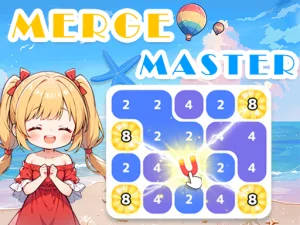
Double Up lets you launch numbered blocks and build larger values. Its instructions use tapping to launch and holding to preview. Take advantage of the preview to inspect the intended position before releasing. Ask not only which numbers may combine but also what the resulting arrangement will leave available. A satisfying large value can still occupy space that would have helped the next placement.
This format gives you room to consider a move instead of asking for a constant stream of fast inputs. You can make the session about predicting a single merge, observing where its result finishes and comparing that with your expectation. Keep the rest of the arrangement in view rather than focusing exclusively on the highest number. The useful question is whether the move leaves a workable continuation.
Save a helper for a problem you understand
Hammer and swap tools provide ways to alter an awkward Double Up position. Read the current explanation and availability before using one. Identify the effect you need, such as clearing a blocked area or moving a useful value into place. A helper spent without that purpose may change the board without resolving the difficulty. Inspect the new arrangement before following it with another placement.
If a run becomes cramped, trace the problem back to the placement that reduced your options. That observation gives another attempt a practical adjustment. You do not need to abandon the whole approach or impose a score target on every session. Understanding one difficult arrangement can be the aim, with the game's feedback supplying the comparison.
Check the timer before choosing Color Coin Merge
Color Coin Merge uses coloured coins, slots and merges to clear a board. Unlike an assumed untimed relaxation puzzle, this game includes a clock and later faster demands. Choose it when a bounded sorting challenge suits your mood. Before placing a coin, compare an arrangement close to clearing with the space the new placement will occupy. A convenient empty slot is not always the best use of the remaining room.
Watch what changes after a merge before treating the next board as identical. The supplier lists unique coins and helpers called Hammer, Free Move, Shuffle and Time Slot. Their names are a reason to inspect the current explanation, not a complete account of every effect. Decide whether the immediate difficulty is time, lack of space or the arrangement itself before selecting an available helper.
Choose a pace that matches your session
Double Up is the example to inspect when you want to preview and consider a placement. Color Coin Merge combines spatial planning with a time constraint. The tag does not remove that difference. A useful stopping point might be understanding one awkward merge or finishing one short attempt, rather than continuing after your attention has become less comfortable or deliberate.
The completed Puzzle category offers other arrangements to compare. Within this relaxation selection, use the real objective and pace to choose your game. Keeping one clear decision in view can make a session feel more manageable, while recognising the timer in advance prevents expecting a quiet unlimited planning period from a game built around quicker sorting.