Look farther down the track
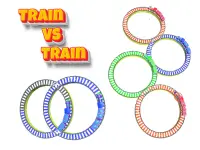
In Train VS Train, you switch routes and manage the risk of collisions. Before a train reaches a junction, trace where each available direction goes. Check whether another train is approaching the same piece of track. Following the train closest to you can make the next junction seem clear even when a second train is about to enter from another side. Use the shared section as your point of reference.
On an unfamiliar layout, find the first intersection that draws two routes together. Focus on one crossing and watch how much time passes between the vehicles. If you can change a switch, make the choice early enough to see the effect and observe which route the train follows. Wait to adjust another switch until you understand where the first one sent it. This is especially useful when several junctions sit close together.
After a collision, reconstruct the final approach. You may have sent one train down a path that looked empty at the moment but became busy before it arrived. Try again with a different decision at the junction that made the routes overlap. Changing several controls at once leaves you with less information about which improvement worked.
A successful attempt can teach you something, too. Identify the point where two trains had enough space to pass without conflict. If you repeat the stage, watch the same point once more and spend the rest of your attention on what happens downstream. The routes become much easier to read when you have reference points you recognize.
Assemble a scene from fixed clues
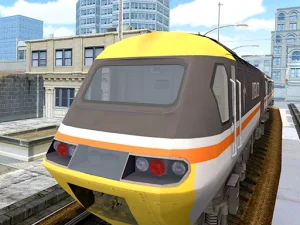
Train Jigsaw uses train pictures as puzzles. Start with a visible edge, corner, or strong feature such as a wheel and the ground immediately below it. Compare the detail and the edge shapes of pieces before dragging one into position. If two pieces are close in color, look for a line or shade that continues across the seam. Strong clues help you avoid moving a long series of almost identical pieces.
Build a small section around a feature if the frame is slow to come together. For a picture with a lot of sky or track, the front of an engine gives you more changes in color and shape to work with. Once that part is clear, you can use it to orient the pieces next to it. Keep pieces with repeated colors near each other while you sort, but leave room for the assembled section so that their edges remain easy to see.
If a piece appears to fit the picture yet does not join, check its orientation and the shape of its tabs. On a detailed image, look closely at the boundary of the piece. One short part of a diagonal line can give away a better location than the large patch of color in the center.
Choose the kind of railway puzzle you want
Choose a track challenge for a session that asks you to watch movement and decide before a vehicle reaches a split. Choose the jigsaw if you want to examine small details without following a moving train. In either case, set a goal you can complete in one sitting, such as arranging one picture feature or managing the first busy crossing. The Puzzle category has other ways to practice visual planning once you have tried the two approaches here.