Guide the roll to the plate
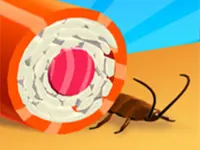
Sushi Bros asks you to guide sushi characters through obstacles to plates. Start by finding the plate and following the route backward. Check where the sushi could pick up speed, where it might hit another object, and where there is likely to be a change of direction. You may only be able to influence a few moments along the route. Looking from the destination gives you a better idea of which moment to watch.
On a first attempt, pay attention to what happens immediately after your action. See where the piece drops or rolls and what it touches first. A slight change in the starting position can change the course if it affects which side of an obstacle the sushi reaches. If the piece moves toward the target but misses the plate, inspect the last turn or contact it made rather than changing the whole setup.
Work on one uncertain part of the route at a time. Compare two attempts where you changed the timing of a single action, and see where their paths first diverge. If the ending is the same, try a change nearer the point where the problem begins. The game gives you physical clues in the movement. The closer you watch the moment of contact, the easier it is to spot which choice you actually control.
Watch the order during assembly
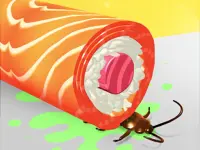
Sushi Roll 3D uses simple gestures to work with ingredients and build rolls. Read the next prompt before starting a new motion. A stage can ask you to position an ingredient, then shift to another action after the first one registers. Keep your eye on the work area so you can see where the on-screen result appears and whether the game has moved on.
When a movement needs dragging, give yourself a short, steady path across the area the game shows. Stop to see how the ingredient sits. If the result is difficult to judge halfway through the action, wait for a stage to finish and check what the game indicates before making the next change. A clear sequence is easier to repeat than a series of rushed gestures that happen to work once.
If you play on touch, notice whether your finger obscures the center of the roll. Approach from an edge when the control permits it so you can see how the piece lines up. With a mouse, test what happens when you move slowly over the intended spot. The goal of the early stage is to learn what the game counts as a finished action while the screen is still easy to read.
Choose one finished dish or one solved route
Pick the physics puzzle if you would like to think about a route and watch how a moving object behaves. Pick an assembly scene if you prefer to follow a sequence and see the result take shape in the work area. For more virtual kitchen ideas, visit Cookie games, which use their food theme for production and route puzzles.
A useful stopping point could be landing a single piece on its plate or finishing a roll from the first ingredient to the last prompt. Work with the controls shown in the selected game. The food scene gives you a quick way into the activity, and the first successful action tells you what kind of attention the rest of the round will need.