Jigsaw games involve assembling various pieces to create a complete image. These games often require players to strategically match and place pieces. Players can enjoy a range of themes and difficulty levels while honing their problem-solving skills. Engaging in jigsaw games not only entertains but also provides a satisfying cognitive workout.
Last Updated:
General Info: jigsaw games
Players collect and place pieces to complete a picture (promptly engage with each piece to find where it fits). Jigsaw games typically feature various themes such as landscapes, animals, and art. The objective is to match and connect all pieces correctly, utilizing logic and spatial reasoning.
Technical Overview
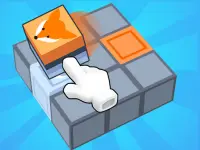
Jigsaw games involve mechanics that require players to rotate and flip pieces to fit them together correctly. Players may encounter obstacles that can affect how they organize and visualize the pieces. Many jigsaw games offer hints to assist players in completing their puzzles, enhancing the overall experience.
Strategic Guidance
Observe the shapes and colors of the pieces to improve placement efficiency. Keep a clear workspace to maintain focus on the puzzle at hand. Consider starting with corner and edge pieces to create a solid foundation for your jigsaw game.
jigsaw Player FAQ
Q: What are the controls? A: Players use actions to collect and place pieces. Q: What is the objective? A: The goal is to complete the picture accurately. Q: Is there touchscreen and tablet support? A: Yes many games support these devices. Q: What is the primary mechanic? A: Players match and connect jigsaw pieces.