Read the colour decision in Super Kart Turbo Racers
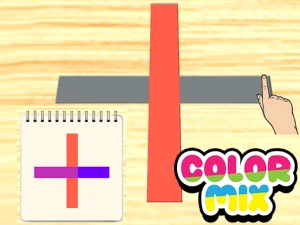
Super Kart Turbo Racers uses colour-based challenges and gate-entry choices alongside its racing presentation. The provider identifies the Stroop effect as part of the design and lists mouse input for moving the kart. Begin by reading the current cue and watching which options appear ahead. Selecting an option and moving toward it are separate parts of the task, and understanding both makes a result easier to interpret.
If a word, colour and visual presentation compete for your attention, check which feature the game is asking you to use. Do not automatically choose a gate because it is the closest one or because its appearance attracted your eye first. Establish the relevant cue, choose the intended option and then make the movement. A wrong choice suggests a different correction from a correct choice reached too late.
Coordinate the characters in Miner GokartCraft
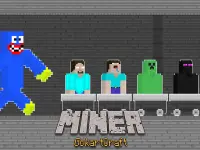
Miner GokartCraft - 4 Player centres on escaping a blue monster, collecting gold and getting everyone to the door. Thorns threaten the tyres, so a jump needs to address the obstacle in front of the relevant character. A player who is already doing well still needs to consider the rest of the group. The stated finish condition makes a shared escape more useful than treating one character's lead as the whole result.
The listed jump inputs are L for Noob, the up arrow for Pro, T for Creper and W for Ender. Check the labels in the loaded game before assigning the keys. Each participant should know which input belongs to their character and have room to use it. Copying another person's jump at the same instant is not automatically suitable when the characters are approaching different parts of the route.
Choose what you want to practise
The colour challenge is a useful choice when you want to compare recognising an instruction with executing the movement it requires. The group escape is more suitable when you want a shared objective and separate jump responsibilities. In either case, name the decision you are learning before judging an attempt. A broad instruction to go faster does not tell you whether the problem was reading, timing, position or coordination.
For a colour-gate attempt, remember the cue you followed and the option you selected. For an escape attempt, identify the character that encountered trouble and inspect the preceding obstacle. Preserve a reliable part of the sequence while changing the uncertain part. This makes another short attempt a test of a particular idea instead of a complete reset of everything you had already learned.
Use the collection as a starting point
The visible cards cover more than one uniform racing format. Read an individual game's description and opening screen before assuming it has a conventional circuit, lap counter, drifting system or online opponent. A kart-related name is useful for discovery, but it does not supply a complete rulebook. The two examples here show why the objective matters: choosing a colour gate and bringing everyone to an exit call for different preparation.
The kart collection comparison develops these choices with practical ways to read an approach and review an unsuccessful attempt. Return to the collection when you want another title, or return directly to a game when you already have a specific control or route question to test. Keep the selected game's instructions attached to that title as you move between cards.