Read the hazard before choosing your pace
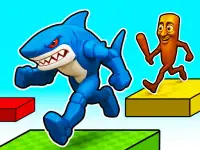
Brainrot Mega Parkour gives jumping four different contexts: climbing a tower, crossing a trap-filled platform route, escaping a rolling lava ball and surviving a lava surge. Its forty levels support solo play and local two-player challenges. The selected mode changes whether the next useful move gains height, covers ground or reaches shelter.
In Tower, inspect the next landing before leaving a platform. Platform emphasises a longer sequence of obstacles. Escape introduces the rolling lava ball, where side pockets can provide a place to wait before continuing. Lava asks you to seek higher ground and time jumps around the surge. Read the current danger instead of applying a single rushing pattern to every mode.
Player one uses WASD to move, Shift to sprint and Space to jump; two presses of Space give a double jump. Player two moves with the arrows, sprints with K and jumps with L, again using two presses for the double jump. Mobile uses the displayed buttons. Agree on the keyboard layout before starting a local race.
A double jump is a resource to place within a crossing. Using both jumps immediately is not the same as saving the second for a later part of the route. Practise a short section at a controlled pace, then change the take-off point or second jump timing when the landing shows you what needs improvement.
Plan the journey home before taking a collectible
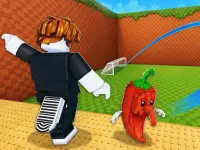
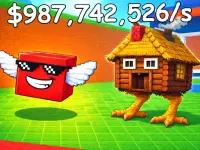
Steal Brainrots From Bosses loads a separate 3D game whose screen title is Obby Steal a Memerots. The opening base has empty display pads and a prompt to take a Brainrot. Collect one from another base, escape its guarding character and bring it home to earn in-game currency.
Identify your own base while the area is still calm. Notice the paths connecting the neighbouring spaces and choose a recognisable route back. Reaching the collectible is only the outward part of the task; the chase makes an unfamiliar return path harder to follow. Read the loaded game's action and movement prompts instead of borrowing the parkour game's keys.
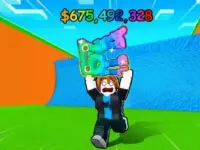
The opening interface also shows currency counters, a speed readout, a shop and a rebirth button. These are additional systems to inspect after understanding the basic delivery loop. Observe what a successful return changes before assuming a particular price, reward or upgrade effect.
Separate a finish-line goal from a delivery goal
The parkour example rewards reaching the required end of a route. The collecting example requires returning with something after an outward journey. That difference changes what preparation means: one route may need a careful landing sequence, while the other needs a dependable way home once a pursuit begins.
After an unsuccessful attempt, identify the first uncertain decision. Was the landing unclear, was the second jump spent too early, or did you lose the route back to base? Preserve what worked and test that particular correction. A change with a visible purpose makes repeated attempts easier to learn from.
For more route-based choices, visit the completed Adventure category. Return here for the shared theme while continuing to judge each selected game by the objective and controls it actually presents.
Local two-player racing also adds another player to watch. Learn the key groups before the race and keep attention on your own landing when both characters approach a hazard. Sharing a screen does not make the two control layouts interchangeable.