Build a picture by finding dependable reference points
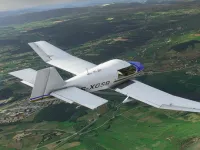
Aviation Art Air Combat Puzzle presents aircraft artwork as a jigsaw. Before moving pieces, inspect the picture you are trying to reconstruct. An aircraft's outline, a change from sky to ground or a distinctive marking can help you recognise where a piece belongs. Large areas of similar sky may be less informative than a small section containing a recognisable part of the plane.
Begin with a detail that gives you a clear reference, then build around it. Matching a wing edge with its continuation can be easier than searching for a place for an isolated patch of colour. When several pieces have similar colours, compare the direction of lines and the position of small details as well as the broad shade. A diagonal wing and a horizontal horizon provide different clues even when their pieces share the same background colour.
Choose the puzzle size offered by the game according to the session you want. A smaller arrangement lets you learn the image's structure quickly; a denser one asks you to distinguish finer details. Completing the simpler version first can help you recognise useful landmarks if you later return to the same artwork with more pieces.
A slide puzzle changes how you reach the result
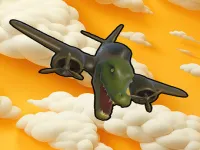
The collection also contains Aviation Art Air Combat Slide, another way to work with aircraft imagery. Read its movement instructions before trying to apply the habits of a jigsaw. In a sliding arrangement, the route a piece can take matters alongside its intended final position. Consider the space needed for the next move before filling a position that looks correct in isolation.
For practice with that kind of planning, Super Sliding Puzzle offers a related image-arrangement challenge. The useful connection is the need to move pieces through an available space. Learn the particular layout and controls on its own screen; an aviation theme is not required to practise the same spatial habit.
When a picture starts to look almost complete, slow down enough to examine the remaining relationships. Moving a correct-looking piece temporarily may be necessary to make room elsewhere. Judge a move by how it helps the whole arrangement, rather than by whether the image looks slightly tidier immediately afterward.
Decide whether you want observation or active control
A simulator title calls for a different first step: read the instructions and identify the controls before expecting to move the aircraft successfully. Keep the distinction between the aircraft's appearance and the action being requested. A picture of a cockpit does not by itself tell you whether a game simulates instruments, uses a few arcade inputs or presents a separate puzzle.
For a hidden-object title, inspect the displayed objective and search area. For a jigsaw, compare pieces with the artwork. For a sliding puzzle, plan the route as well as the destination. Choosing the right approach early saves you from trying an action that belongs to a different type of game.
The Puzzle category is a useful continuation when assembling and interpreting pictures is the part you enjoy most. Stay with the aircraft titles here when the aviation artwork itself interests you. In either case, give the selected game's own rules priority over assumptions about what every aviation game should contain.