













traffic jam 3d unblocked starter guide
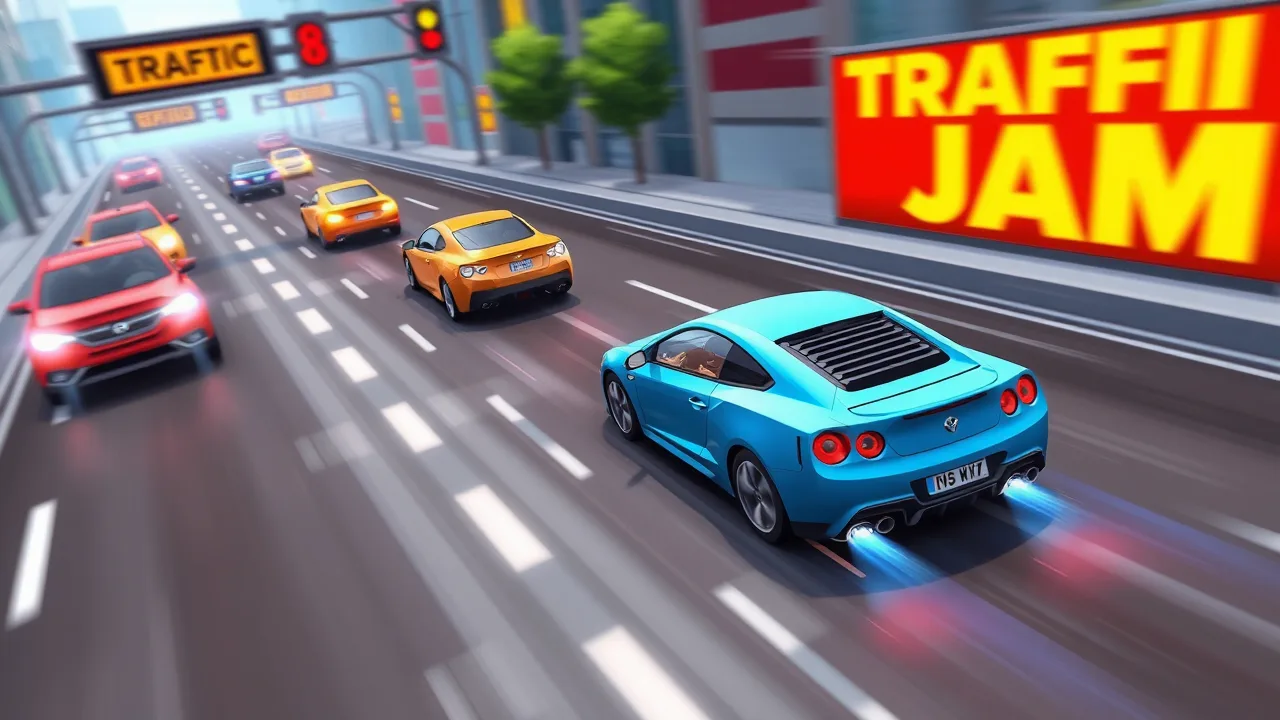
Chaos, but make it skill based. You weave through lanes, thread needle gaps, and make peace with the fact that hesitation is the fastest way to get clipped. The camera feeds you information in chunks. Read, commit, and trust your hands. If you like that razor edge where focus gets loud and the world goes quiet, traffic jam 3d unblocked scratches the itch without asking for a download or a thirty minute tutorial. It is you, a lane choice, and the next three seconds.
Where to play right now ⏱️
No fluff. If you want to feel the loop immediately, spin up a run at this Traffic Jam 3D page. The ramp is short, the inputs are clear, and the first near-miss will wake you up better than espresso. Start with calm hands, not hero moves. The track will get spicy all by itself.
Why this style works in a browser 🧪
Runners and traffic dodgers benefit from simple geometry and loud feedback. You do not need a Hollywood engine to feel speed. You need readable lanes, predictable hitboxes, and a rhythm that rewards clean lines. Browser play reduces setup cost, which makes micro sessions realistic. Ten minutes becomes three runs, not three loading screens. That matters for engagement and for sanity.
The mental model: three lanes ahead 🧠
The screen shows what is in front, but your brain should live slightly in the future. Treat the road like a conveyor of questions. Each obstacle asks: left, right, or brake. Decide one decision early and the others fall into place. Counting “one-two” during lane swaps keeps inputs smooth instead of panicked. If the build supports subtle tilt or analog control, use it. Micro steering buys you space you did not know you had.
Grip, braking, and why smooth wins 🧯
Smooth steering keeps speed alive. Sharp zigzags burn momentum and widen your car more than you think. Tap brakes only when you gain a later advantage, not because fear hit the gas. If you must slow, slow early. Early brake equals early return to throttle, and that equals fewer surprise trucks in your peripheral vision.
Read the traffic like a book 🚚
Every obstacle family teaches a lesson. Box trucks reduce sightlines. Vans hide motorcycles. Cars in pairs hint at closing doors. When you see a pattern, say it in your head. “Pair means trap.” That tiny label turns noise into signal. Soon you will glide through sections you used to fear because your brain knows the question before it is asked.
The tiny physics that change everything ⚙️
Momentum matters. If a lane looks tight but straight, speed carries you safely. If a lane is wide but bends twice, a small lift lets you hit both bends cleanly. Think arcs, not points. Your goal is the gentlest path that still clears the hazard. The fastest path is often the least dramatic one.
Session structure that builds skill fast 📈
Run in threes. First run is scouting. Do not push. Just collect pattern data. Second run is execution on what you saw. Third run is pressure test with one extra risk per minute. After that, step away for sixty seconds. Staring longer does not equal learning faster. Short breaks keep your inputs tidy and your mind fresh.
Scoring and progression without the grind ⭐
Most builds reward distance, clean overtakes, and collectibles. Split objectives across runs. One run for pure distance at a safe pace. One for aggressive overtake chains. One for coin routes. Stacking goals early bloats decision load and spikes mistakes. When you isolate goals, you keep the fun high and the rage low.
Obstacles and how to bully them 👊
Closing gaps: do not chase late. Pick the gap that opens earliest and commit.
Lane blockers: fake to the obvious side, then swap back. The AI often sniffs first moves.
Ramp clusters: small lift before the first ramp fixes the landing for the second.
Blind crests: bias center before the rise so you can bail either way at the top.
Camera and HUD that actually help 📸
If there is a camera distance slider, bump it back one notch from default so you see more road without losing depth perception. Keep HUD minimal. You want resource counts and speed, not a cockpit of widgets. Contrast matters more than color fanciness. High contrast on hazard silhouettes reduces late swerves, saving both points and pride.
Comfort and accessibility matter more than flex 🌈
Readable fonts, clean hit flashes, and consistent sound cues reduce fatigue. If color filters exist, use the one that makes lanes pop. Keep your wrist neutral and your mouse or controller cable free of drag. Fatigue creates phantom difficulty that no guide can fix. Comfortable players improve faster and tilt less.
A quick lineage check for context 🏛️
Endless runners and dodging racers trace back to early arcade sensibilities where clarity beat complexity. If you want a useful primer on the real-world problem that inspires the vibe, the entry on traffic congestion outlines why bottlenecks, lane merges, and human reaction times create chaos. Designers borrow those truths and turn them into readable, repeatable challenges.
Micro-drills that translate to wins 🧩
Two minutes of “center lane discipline”: hold center until the last legal moment, then one clean swap, then back to center. One minute of “early brake, early gas” through a busy section. Thirty seconds of “overtake chain” where you plan six cars ahead and never touch the brake, only lift. These drills are small, boring, and wildly effective.
Device choices and why both are valid 🕹️
Controllers gift analog finesse. Keyboards give click-sharp swaps. Try each for ten minutes. Pick the one that makes your shoulders relax. Comfort beats theoretical advantage. If the game supports touch, lock the phone angle and keep thumbs light. Heavy presses slow you down.
Performance tuning that is not snake oil ⚡
Close streaming tabs. Keep hardware acceleration on. Plug in laptops to stabilize clocks. If frame pacing stutters, try windowed mode at native refresh instead of fullscreen at a weird ratio. Disable over-zealous extensions on the play page so assets load as intended. Predictable frames teach faster than pretty frames.
Why players keep coming back 🔁
Near-misses are small dopamine bombs. Your brain logs them as “almost mastery.” That itch brings you back for one more set. The difficulty curve helps too. Early levels teach while making you feel brave. Later levels punish greed, but never hide the reason you failed. Transparent failure breeds persistence.
Strategy snapshots for three playstyles 🎯
Calm navigator: lives in center, values visibility, uses early lifts. Wins with low stress and long distance.
Opportunist: rides seams, stacks overtake bonuses, and cashes in on brief openings. Needs discipline to avoid greed.
Speed fiend: trusts reaction time and pushes high risk lines. Wins big or explodes. Add one safety rule: brake early twice per minute to reset rhythm.
Social proof without the noise 🏡
If you host comments or clips near your play window, spotlight one short tip weekly. Prefer practical over flashy. “Center before blind crests” beats “watch my god run.” That tone shapes the whole space. Players return to rooms that teach.
Creator-friendly sharing 🎥
Short vertical clips of a four-car thread through a tight lane play well on any platform. Add one subtitle that names the decision, not the emotion. “Fake right, slip left after van” teaches instantly and invites a test drive.
Light troubleshooting for stubborn fails 🧯
If you keep dying to the same pattern, change only one variable. Different lane bias. Earlier lift by half a second. Slightly wider entry to a ramp. Record one run and count how often your eyes leave the road to stare at meters. If it is more than you want, minimize the HUD and try again.
Building a daily ritual that sticks ⏳
Three runs after lunch or late evening. Log a single note: what killed you, what saved you, what you will try first next time. Tiny notes add up to real learning. You will see patterns in a week that used to feel random.
The one lesson that solves most problems 🧠
Decide early. Late decisions become flinches. Flinches turn into over-corrections. Over-corrections become crashes. When in doubt, pick the safest path that preserves speed and visibility. The next opening arrives sooner than you think.
Quick Q&A ❓
What makes traffic jam 3d unblocked different from basic endless runners?
The pacing. You are not just dodging for distance. You are managing sightlines, sequencing lane swaps, and timing small lifts so chains of overtakes keep rolling. The loop feels closer to driving tactically than simply surviving.
Do I need a controller for clean runs?
No. Many players thrive on keyboard or touch. Controllers help with micro steering, but comfort and consistency beat hardware choice. Test both and pick the one that keeps your wrists relaxed.
How long should a session be for real improvement?
Ten to fifteen minutes. Warm up one run, execute one focused drill, then push a personal best. End on a clean near-miss or a win so your brain wants to return.
Why do I crash after nailing a big overtake chain?
You are still celebrating. After a chain, reset to center and breathe once before chasing the next move. Momentum blindsides people right after success.
Any settings that make sightlines easier?
Yes. Pull the camera back one notch, increase contrast, and keep motion blur low. Reduce HUD clutter so your eyes stay married to the road.
How do I handle blind crests without guessing?
Bias to center before the rise and plan a single bail move left or right once you see the landing. Center bias keeps both exits possible.
Can I improve with only three days a week?
Absolutely. Set theme days. One for distance discipline, one for overtake chains, one for ramp control. Keep a one-line log after each session.