


Dress Up Games Online: A Practical Guide to Building a Look
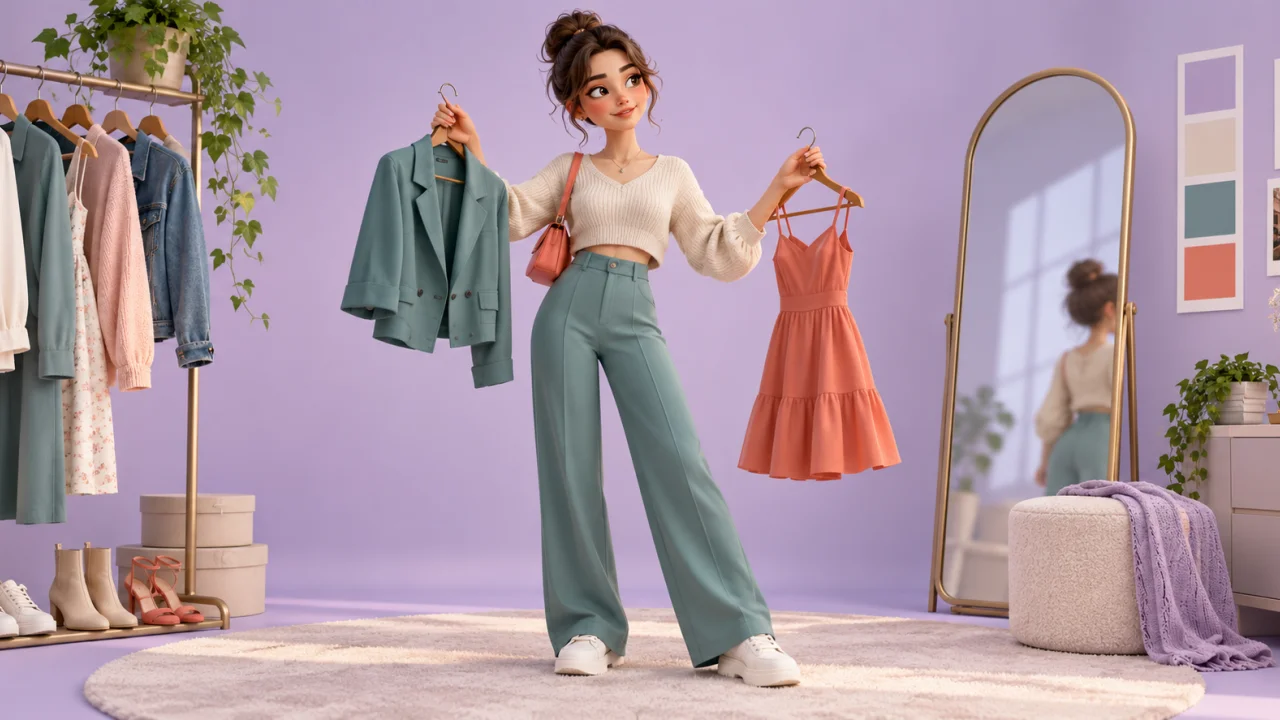
A dress-up game can look simple at first: choose a character, open a wardrobe, and start picking clothes. But when there are many colors, accessories, hairstyles, and themes to consider, a blank outfit can feel surprisingly difficult. A useful way to begin is to treat styling as a series of small choices instead of trying to select every item at once. Decide what the look should communicate, choose a limited color direction, build around one main piece, and then add details only when they help.
This approach works whether you want a polished everyday outfit, a dramatic fantasy look, a seasonal style, or something deliberately playful. It is not about following strict fashion rules. The point is to make each choice easier to judge and to give the finished character a clear visual idea. If you are ready to browse, the dress-up games collection is a good place to find a style game that suits the kind of look you want to create.
1. Start with a theme, not an item
Before opening the clothing options, describe the outfit in a few words. It could be “rainy-day layers,” “bright summer afternoon,” “storybook royal,” “city evening,” or “sporty weekend.” A short theme gives you a filter. When you later compare a jacket, shoes, or accessory, ask whether it supports that idea. If it does not, leave it out—even if it is attractive on its own.
The theme can come from a color, a setting, a mood, or a small story. Imagine that the character is heading to a garden party, exploring a snowy town, or meeting friends after school. You do not need a detailed backstory. One clear situation is enough to make the outfit feel intentional. This also helps when a game offers many unrelated choices: you are no longer trying to use everything, only the pieces that fit your chosen direction.
2. Choose a color plan you can actually see
Color is often the fastest way to make separate clothing pieces feel connected. Begin with one main color, then add one supporting color and, if useful, a small accent. For example, a soft blue outfit might use white as a calm supporting color and a little silver as an accent. A warm autumn look might pair rust or brown with cream, then add a small green detail.
You do not need to memorize color theory to use this method. Look at the whole character rather than judging every item in isolation. If several strong colors compete for attention, remove one or make it less prominent. If everything blends together, introduce a contrasting accent in one place—perhaps shoes, a hair accessory, or a bag. Repeating a color in two or three small places can also make the outfit feel connected without making every piece match exactly.
When the game has a theme prompt or a fixed palette, use it as a helpful boundary rather than a restriction. A limited set of colors can make decisions quicker and encourage more interesting combinations. If the game lets you change a background or scene, consider whether the outfit remains easy to see against it; a color that disappears into the background may need a lighter or darker partner.
3. Build around one focal piece
Pick one item to lead the outfit. It might be a distinctive dress, a patterned jacket, a dramatic hairstyle, or a bold pair of shoes. The focal piece gives the eye a place to land. Once it is chosen, let the other pieces support it instead of competing with it.
A practical test is to imagine removing each extra item. Does the outfit still have a clear idea without it? If yes, the item may be unnecessary. Does the look lose its theme or balance when it is removed? Then it may be doing useful work. This small check prevents a common styling problem: adding more accessories simply because they are available.
Some games make a single standout item easy to recognize, while others offer subtler options. Either way, the focal point does not have to be the brightest or largest thing. It can be a repeated pattern, a coordinated hairstyle, or a small contrast that draws attention. Keep the rest of the look quieter enough for that detail to matter.
4. Balance the outfit from top to bottom
After choosing the main piece, check the overall balance. If the top half is visually busy—with a bold hairstyle, hat, or patterned jacket—the lower half may work better with simpler shapes or calmer colors. If the outfit is plain above the waist, a more noticeable skirt, trousers, or shoes can provide interest below. The goal is not perfect symmetry; it is to avoid having every detail demand attention at once.
Think about shape as well as color. A long coat, a wide skirt, or oversized sleeves can change the silhouette of a character. Supporting pieces can either echo that shape or provide contrast. A neat, fitted element beside a large dramatic one can create variety, while several bulky pieces together may make the overall outline feel crowded. Try one change at a time so you can tell which choice improves the look.
5. Add accessories with a reason
Accessories are most effective when they connect to the theme, repeat a color, or fill a visual gap. A hat might complete a weather-inspired outfit; a small bag might support a city look; jewelry could add a brighter accent to a simple palette. Choose accessories after the main clothing pieces, not before. That order makes it less likely that a small detail will dictate an outfit that no longer feels coherent.
Try a “one job per accessory” rule. If two items do the same job—both are large, bright focal points—keep the one that fits the theme better. If a look already has a striking pattern, an additional patterned accessory may create noise rather than depth. On the other hand, a plain accessory can give the eye a place to rest. There is no universal right number; the useful question is whether each item contributes something distinct.
6. Use constraints to make styling more fun
When you are unsure what to make, give yourself a small challenge. Use only two main colors. Build around one item you rarely choose. Make a casual look feel festive without changing its basic shape. Create two versions of the same theme—one understated and one dramatic—and compare them. These limits turn an open-ended wardrobe into a manageable creative prompt.
If a game includes a theme, score, round, or other specific objective, follow the instructions shown in that game; features differ from one title to another. When there is no stated objective, make your own: create a look that uses a chosen palette, communicates a particular mood, or changes one key item while keeping the rest consistent. A personal challenge gives you something to test without assuming that every dress-up game has the same controls or rules.
For a focused outfit-matching experience, you can also visit Dress Up Outfit Match. If you prefer a character-led dress-up page, Ice Princess Dress Up offers another starting point. Open a game and use the choices actually available there; the exact wardrobe and interface can vary by title.
7. Review the complete look before you finish
Once the outfit is assembled, pause and review it as a whole. Can you describe the theme in a few words? Is there one clear focal point? Do the colors work together? Are there accessories that could be removed without losing anything? Does the outfit still read clearly against the scene? These questions are more useful than asking whether every item is fashionable by itself.
If something feels off, change one category at a time. First test the color balance, then the silhouette, then accessories. Replacing several items at once makes it hard to understand what improved the result. Saving or sharing options, where a particular game provides them, can help you compare versions; do not assume every title includes those features. You can also remember a favorite combination and try a different theme next time.
Common styling snags and quick fixes
- Too many focal points: Keep the strongest piece and simplify one or two surrounding details.
- Colors feel disconnected: Repeat one color in a small accessory or swap one item for a closer shade.
- The theme is hard to read: Return to the original few-word idea and remove pieces that tell a different story.
- The outfit looks unfinished: Check whether one area needs a supporting detail, but add only one item before reviewing again.
- You are stuck choosing: Set a two-color or one-focal-piece challenge and make a quick first version.
A simple checklist for your next look
- Choose a mood, setting, or short theme.
- Pick a main color and one or two supporting colors.
- Select one focal piece before adding details.
- Balance the silhouette and visual weight from top to bottom.
- Add accessories only when they support the idea.
- Review the full character, then make one small revision at a time.
The best part of a dress-up game is that a first idea does not have to be the final one. A clear theme, a manageable color plan, and a little editing can turn a random collection of choices into a look that feels like yours. Keep experimenting, try a different constraint when you need inspiration, and browse the dress-up collection whenever you want a new style challenge.