


Best Parkour Block 2 Tips and Tricks for Every Player
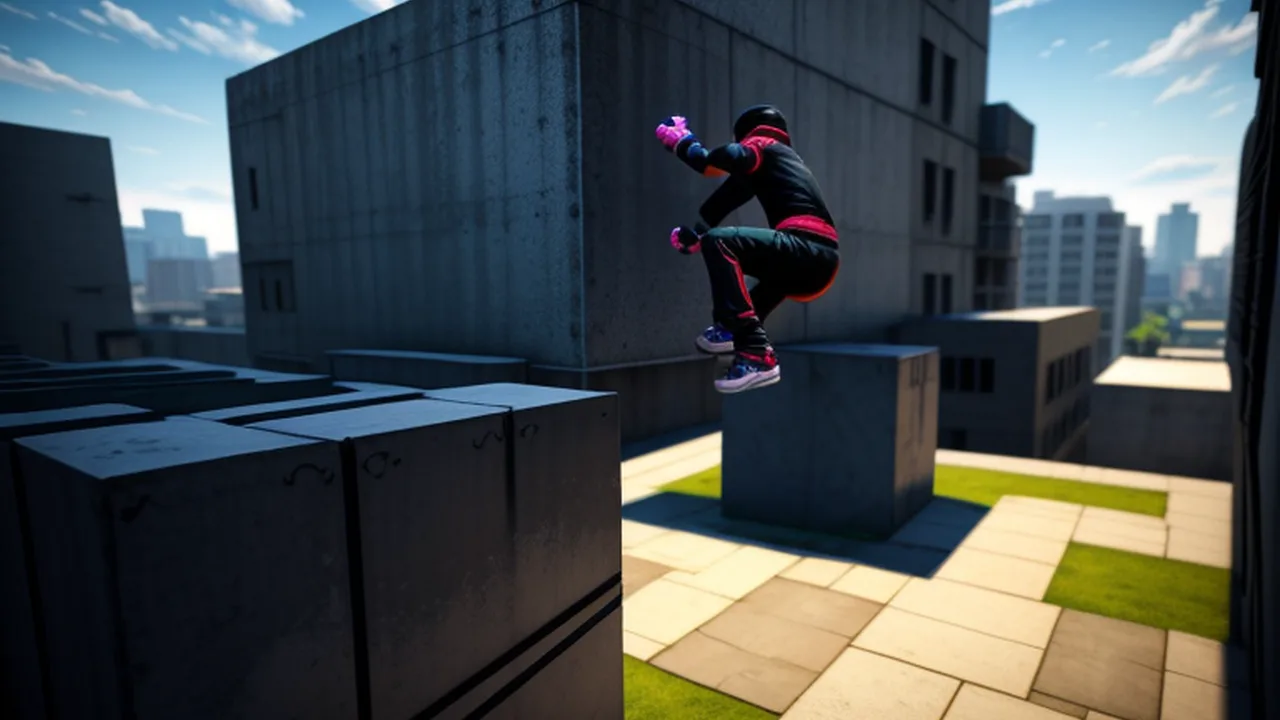
parkour block 2 is a fast-paced action game built around precision jumping, timing, and momentum. Players navigate blocky courses where every leap matters and a single mistimed move can send them back to the start. The game rewards patience, practice, and a willingness to learn from each attempt. This page collects practical strategies to help you improve your runs, understand the movement, and get more enjoyment out of every session. Whether you are new or returning, these insights will sharpen your approach.
Getting Started With Movement Basics
Mastering the Core Jump
The jump is the foundation of everything in this game. Before attempting long gaps, spend time getting comfortable with the height and distance of a standard jump. Stand near an edge, take a short run, and release at the last moment to see how far you travel. Repeat this on flat ground until the timing feels automatic. Once the basic jump is second nature, you can layer in sprinting and directional control without losing consistency.
Understanding Momentum and Speed
Speed is both an asset and a risk. Running too fast into a narrow platform makes it easy to overshoot and fall, while moving too slowly can leave you short of the landing. A good rule is to build speed on straight sections and ease off just before a jump that requires precision. Practicing this rhythm early will prevent many frustrating falls later on.
| Feature | Details |
|---|---|
| Gameplay style | Precision platforming with action focus |
| Likely controls | Directional movement, jump, and sprint input |
| Session pace | Short, repeatable attempts with quick restarts |
| Device fit | Suited to desktop and mobile play sessions |
| Category focus | Action-based reflex and timing challenges |
Reading the Course Before You Leap
Every obstacle tells you something about the intended path. Before rushing forward, pause and look at the layout ahead. Notice where platforms are spaced closely together, where gaps widen, and where a ledge sits slightly higher than the one you are standing on. These small details reveal whether you need a running start, a short hop, or a carefully angled jump. Taking a few seconds to read the course saves far more time than repeated blind attempts.
Managing Falls and Restarting Quickly
Falls are part of the experience, and how you respond to them matters more than avoiding them entirely. When you miss a jump, resist the urge to immediately retry at full speed. Instead, reset mentally and approach the section one step at a time. Break the difficult stretch into smaller pieces, clear each piece consistently, and then link them together. This method turns a stubborn obstacle into a sequence of manageable actions.
Building Consistency Through Repetition
Consistency separates a lucky run from a skilled one. Choose one section that gives you trouble and repeat it until you can clear it without thinking. The goal is to make the correct movement feel natural rather than calculated. Over time, these small wins compound, and longer stretches of the course begin to flow smoothly. Progress in this game rarely comes from one breakthrough moment; it comes from steady, deliberate practice.
Staying Calm Under Pressure
As runs get longer, tension rises. Tighter gaps and higher stakes can make your inputs shaky. When you feel that pressure, slow down your breathing and focus on the next jump rather than the finish line. Treating each obstacle as its own small challenge keeps your attention grounded and reduces the chance of careless mistakes. A calm player makes cleaner decisions than a rushed one.
Improving Timing With Deliberate Practice
Timing is the skill that ties everything together. If you find yourself consistently landing short or overshooting, adjust one variable at a time. Try a slightly earlier jump release, a shorter run-up, or a different angle of approach. Making single changes helps you identify what actually improves your result. This focused approach is far more effective than randomly altering your technique every attempt.
Finding Your Rhythm Across Sessions
Each session builds on the last. If you step away after a frustrating run, return with fresh eyes and start from a comfortable section to rebuild confidence. Progress often appears when you are not forcing it. Over several sessions, you will notice that obstacles which once seemed impossible now feel routine. That sense of growth is what makes the action genre so rewarding to play.
Where to Play Next
If you enjoy the challenge of precision movement and quick reflexes, this title is a strong pick from any game catalog. It fits neatly into a game library of browser games that you can jump into whenever you have a few spare minutes. Adding it to your collection of free online games means you always have a quick test of skill ready to go, no downloads or setup required.
FAQ
Is this game suitable for beginners?
Yes. The core mechanics are simple to learn, and early sections give you room to practice timing before the difficulty increases.
How long does a typical session last?
Sessions are short and repeatable. You can play for a few minutes or settle in for a longer run depending on your schedule.
What should I focus on first?
Start with jump timing and reading the course layout. These two skills support everything else you will learn as you progress.
Does the game work on mobile?
It is designed to be accessible across devices, so you can pick it up on desktop or mobile whenever it suits you.