


















Douchebag Workout Unblocked Gym Grind Glow Up
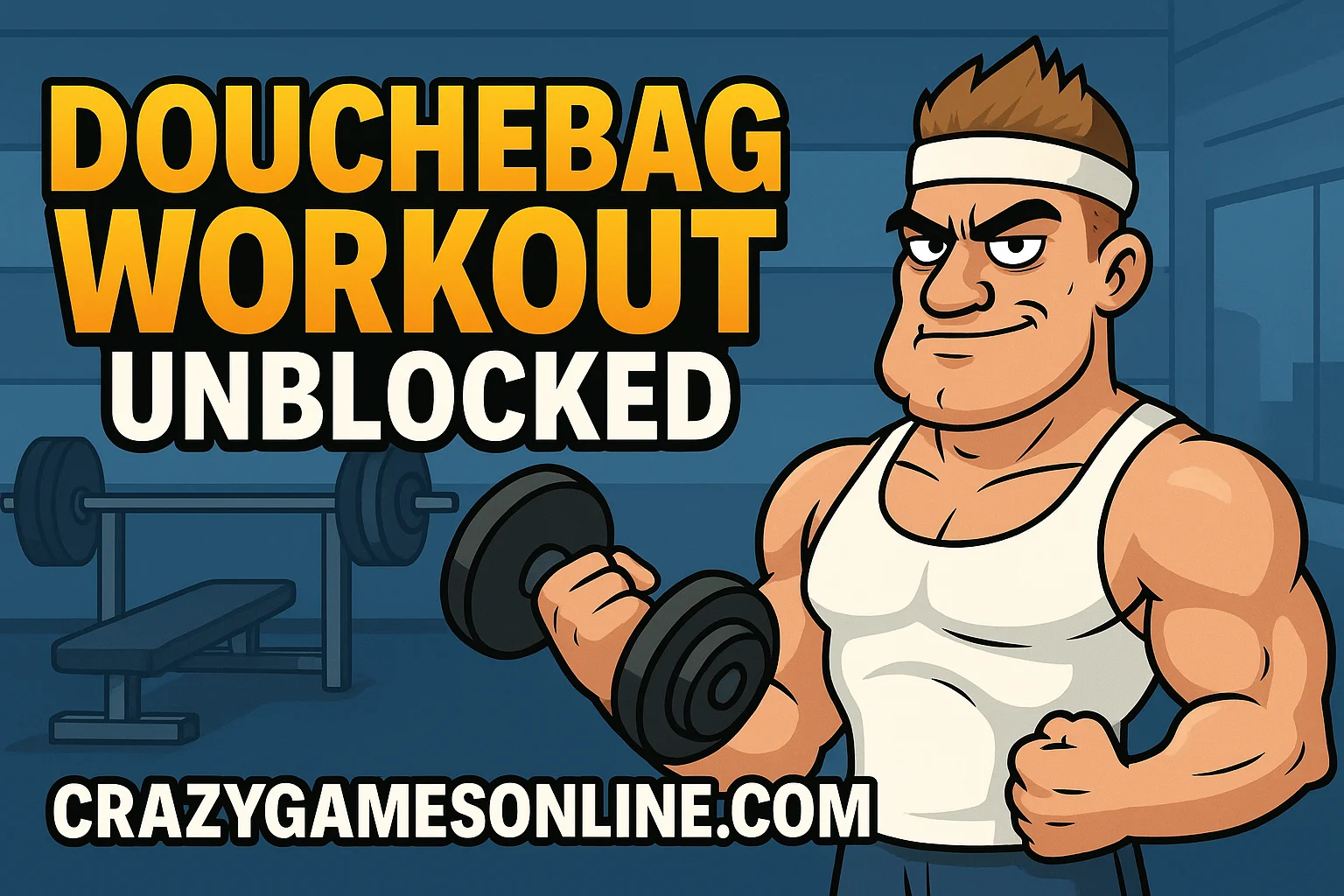
At its core, you’re guiding a scrawny wannabe through gym sessions, diets, swag shopping, and social hustling until he becomes the person he thinks he wants to be. It’s comedy first, progress second, and the satire lands because the treadmill of gains, clout, and cringe choices mirrors real gym-bro culture a little too well. The original launched in the Flash era and spread on portals like Newgrounds, where it picked up traction for its over-the-top humor and simple min-max loops.
🚀 Play instantly in your browser
If you want a quick session with no installs, hop in here: play Douchebag Workout. Browser delivery means you can test routines in short bursts, retry mistakes fast, and chip away at goals without messing with downloads or launchers. It fits perfectly between tasks when you want five minutes of progress and a bit of ridiculousness.
📚 Quick background for context
This series belongs to the satirical, parody-leaning corner of web games that poked fun at pop culture tropes and player vanity. You can still find entries of the series listed by creator networks and on classic portals, with sequels expanding the loop into clubs, life sims, and beach arcs. The Newgrounds listings show the timeline of releases across the 2010s, anchoring the game squarely in that Flash-native period of web culture.
🧪 Flash is gone… so how does it still run?
Adobe ended Flash Player support in 2021, but modern sites use emulation to keep classics alive. The go-to tech is the open-source Ruffle emulator, which runs SWF content safely in today’s browsers using WebAssembly and Rust. That’s how a lot of vintage web games continue to be playable in 2025 without the old plugin. If you’ve ever wondered why the game “just works” now, that’s the reason. For a neutral explainer you can read about Ruffle here on Wikipedia.
🧠 What the core loop actually is
You juggle three things: training stats, looks, and social currency. Sessions at the gym raise strength and mass. Diets and supplements affect growth. Style items and attitude moves shift social checks. The loop is intentionally exaggerated, but the structure is legit: grind, invest, unlock, repeat. A smart run doesn’t just pump iron. It times training with recovery, spends money on multipliers, and uses conversation checks only when their chance to pass is high.
🧯 The satire layer that makes it click
The jokes land because they’re close to truths. Gym culture really does reward routine, nutrition, and ego stroking. The game cranks that up to 11. When you fail a social check after wearing the wrong drip, it hurts, then it’s funny, then you adjust your build and come back smarter. That loop of laugh → learn → win is why people still revisit it after all these years. The Flash era bred a lot of this energy, where small teams could riff on trends within weeks. Preserving those riffs is why emulation and archives matter.
🏋️ Controls and the feel of training
Inputs are basic clicks and quick-time rhythms. The trick is pacing. Mash-heavy lifting burns your session budget with lower overall gain than a steady cadence. Watch your character’s feedback; swing too fast and you lose form bonuses, go too slow and you under-train. Aim for a clean tempo that fills the bar without slipping into fatigue.
🧾 Early progression plan that actually works
-
Stabilize income. Do the easy gigs and odd jobs first. You need cash to unlock consistent progress.
-
Buy the multipliers. A basic supplement or a membership perk that improves session returns pays back quickly.
-
Lift for compound stats. Prioritize routines that raise multiple attributes at once.
-
Mirror check. Spend a minimal amount on style to pass early social gates, but don’t blow the bank on cosmetics yet.
-
Sleep on schedule. Rest cycles unlock higher training efficiency the following day.
-
Only talk when ready. Social attempts are like boss pulls. Enter with the right outfit and stats.
🧠 Attribute balancing without the guesswork
-
Strength pushes raw numbers for certain checks but can bloat fatigue.
-
Mass unlocks looks gates and confidence multipliers.
-
Charm lowers the difficulty of social trials.
-
Money is the lubricant for everything, so set a floor you never dip below.
A balanced build beats a glass-cannon meathead. Your goal is thresholds, not extremes.
💵 Spending order that avoids regret
-
Gym access before bling.
-
Diet unlocks before single-use boosts.
-
One clean outfit before the wardrobe rabbit hole.
-
Convenience perks like faster travel or quick refill options once the loop is rolling.
🗓️ A 30-minute routine that snowballs
Minutes 0–5: pick up a small job, buy the first multiplier.
Minutes 6–15: run two training blocks with proper rhythm.
Minutes 16–20: quick shop visit for the baseline outfit.
Minutes 21–25: rest, then a third training block to cash in on recovery.
Minutes 26–30: attempt a single social gate at high odds, or bank cash if odds are shaky.
🧩 Mini-games decoded
Most training mini-games reward consistency and early inputs over late panic clicks. Treat them like metronome drills: count beats and stop before penalties kick in. On machines with meters, push to the sweet zone then hover. On click-spammers, use short bursts with micro-pauses so you never redline.
🧱 Common mistakes and quick fixes
-
Over-spending on cosmetics. Passing one gate is enough; keep your money moving into growth.
-
Training to zero. Leaving a bit of stamina in the tank sets up a stronger day two.
-
Random social spam. Failing repeatedly tanks momentum. Stack your odds first.
-
Ignoring rest. Recovery is invisible power. It multiplies tomorrow’s results.
🎯 Why douchebag workout unblocked still hooks in 2025
Low commitment, high feedback. You see the payoff of each decision within minutes. The satire keeps the tone light, so failing is funny instead of punishing. And because it runs in a tab, you can knock out a loop during a coffee break and still feel like you progressed. It is the definition of snackable sim.
🧭 Mid-game optimization for faster clears
-
Cycle training days. Heavy day, accessory day, rest or light cardio.
-
Split cash buckets. Keep a “growth” purse and a “style” purse so you don’t starve progress chasing a jacket.
-
Gate scouting. Peek the next social requirement before you grind so you know which attribute to push.
-
Buff timing. Pop temporary boosts right before a session, not after.
🧪 Advanced routes for perfect endings
-
The Charmer: push charm early, buy one premium outfit, pass gates while average in the gym.
-
The Grinder: ignore style, invest everything into training and multipliers, then sprint through social late.
-
The Hybrid: keep charm and mass within one threshold of each other, rotate in style buys only when a gate stops you.
🧰 Quality-of-life tips
Bind the most used actions near each other if the platform allows hotkeys. Kill motion blur and heavy post-processing so meters and prompts stay crisp. If the site has a “fast text” or “skip” option on repeat scenes, enable it to shave seconds across a long session.
🧠 Reading the satire like a designer
The dumb humor is a delivery system for a real resource-management sim. Every joke scene teaches a system truth: clout gates exist, looks matter in some spaces more than skill, and chasing validation with numbers can feel empty if you don’t set your own goals. That last piece is the point — the best runs are the ones where you decide what “winning” means.
🔄 Why the Flash spirit matters here
Web games thrived because they were quick to make and quicker to play. When Flash went away, a lot of that culture risked disappearing. Tools like Ruffle and community hubs like Newgrounds kept preservation going so odd, specific creations like this didn’t vanish. That’s why a title from 2010 can still trend on modern portals.
🧩 For creators and streamers
This title is clip gold. Short arcs win: “from zero drip to gate pass in 15 minutes,” “PR day with perfect rhythm,” “fashion check fails that turn into wins.” Overlay tiny counters for reps, money, and charm so viewers see the plan behind the chaos. Keep episodes to a single goal so each VOD ends clean.
🧒 Parents’ corner
It’s satire aimed at older teens and up, with themes around vanity and shallow status. If younger players are curious, co-play and talk about what the jokes are poking at. The mechanics are tame, the messaging can be teachable, and a guided run can prompt solid conversations about body image and social pressure.
🧭 Quick start route for new players
-
Pick up two small jobs to seed cash.
-
Buy the cheapest permanent boost.
-
Train once with clean rhythm; stop before fatigue penalties.
-
Eat, rest, then train a second time.
-
Buy a single outfit that aligns with the first social gate.
-
Attempt one gate at high odds.
-
Bank leftovers, sleep, repeat.
🧠 Mindset that wins
Treat every click as an investment. If you can’t justify how it moves you toward the next threshold, skip it. Greed slows you down. Patience stacks. That’s how you turn a joke simulator into a tidy little strategy notebook.
🌟 Final thoughts
If you want a fast, funny, low-friction sim that still rewards planning, this one’s worth a tab. Start with small multipliers, learn the training rhythms, and only chase social checks when you’re dressed and ready. When you feel like flexing for a break, spin up a session here and see how far a smart route carries you: play Douchebag Workout. Keep the laughs, keep the progress, and remember that douchebag workout unblocked is best when you treat chaos like a system you can learn.
❓ FAQ about douchebag workout unblocked
Q: Is there any point to style beyond looks?
A: Yes. Certain social gates read outfit checks before stat checks. One decent outfit can save hours of grinding.
Q: Do I need top-tier supplements early?
A: No. Cheap permanent multipliers and proper rest beat expensive single-use boosts until late game.
Q: Why do my training sessions feel weak sometimes?
A: You might be pushing into fatigue penalties. Shorter, cleaner sessions earn more overall than sloppy marathons.
Q: Can I keep playing it after Flash ended?
A: Yes. Modern sites use emulators like Ruffle to run legacy SWF content safely in browsers.
Q: Fastest route to pass early social checks?
A: Secure one outfit, raise charm to the first threshold, then attempt the gate right after a clean training day for the confidence bump.
Q: Is the whole thing just a joke or is there real strategy?
A: Both. The satire is the wrapper. The inside is a neat resource-management loop with real thresholds to plan around.
Q: Where did it originally blow up?
A: On Flash-heavy portals during 2010–2013, with Newgrounds releases anchoring its popularity before sequels and packs spread the series vibe.