




















Red Ball 4 Review: Two Browser Builds, Controls and the Platform Challenge
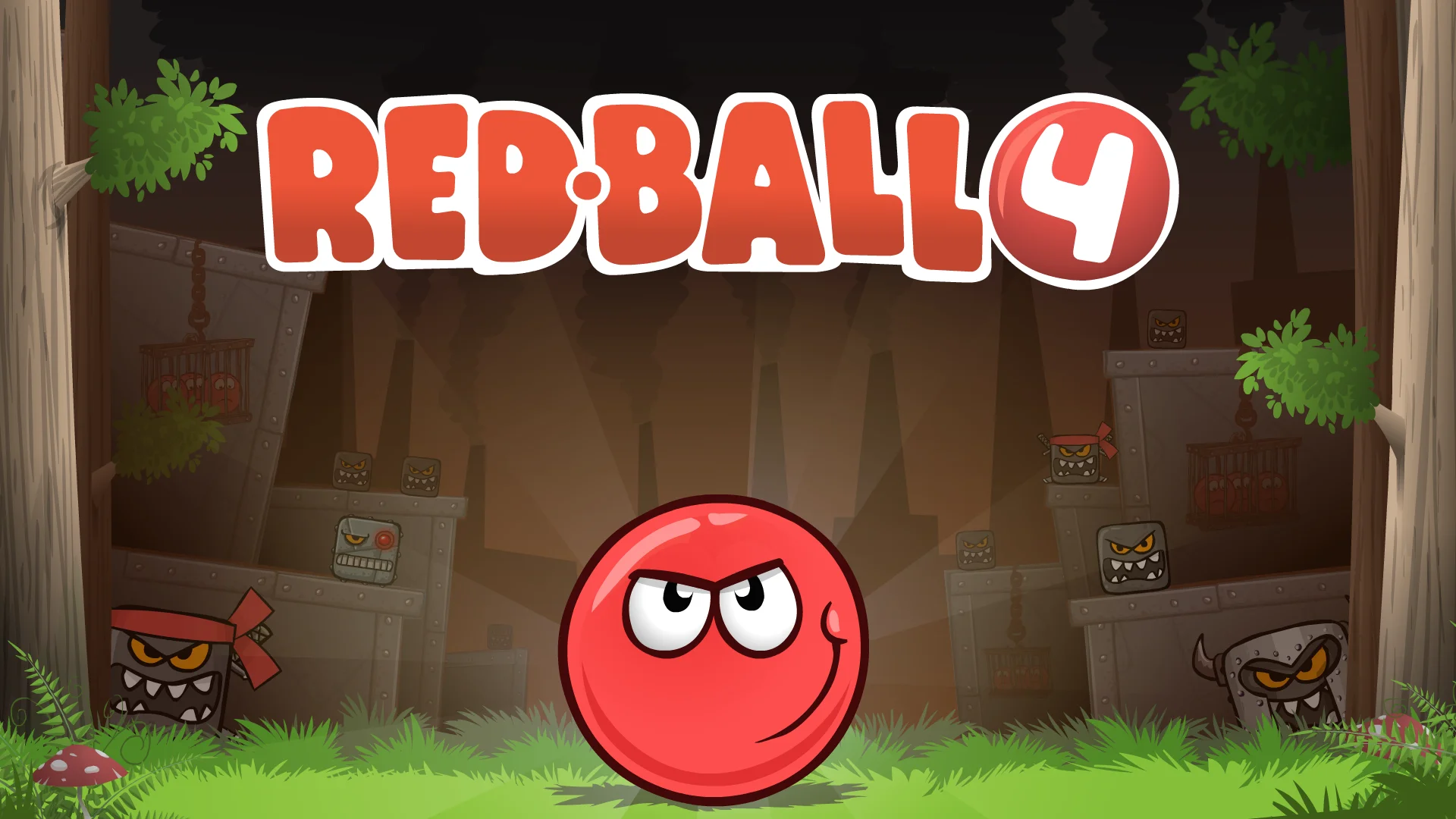
Red Ball 4 is an appealing kind of platform challenge when you enjoy learning a route through movement. A rolling character makes a small change in approach speed or jump position matter, while hazards encourage you to look beyond the obstacle immediately in front of you. A useful review therefore needs to examine what you are being asked to do, how the controls are described and whether that style of repeated practice suits the session you want.
This site has separate entries for Red Ball 4 and Red Ball 4 Bounce Adventure. Their similar names do not make them interchangeable builds. The first listing describes arrow-key movement, stars, enemies and a factory setting. The Bounce Adventure listing identifies a different embedded game and gives WASD as its control instructions. Keeping those versions distinct is the starting point for an honest assessment.
What the main challenge offers
The Red Ball 4 publisher description presents a rescue adventure built around rolling and jumping through a dangerous factory. It mentions enemy squares, collectible stars and laser hazards. Those ingredients give the player more than one demand at a time: movement must be accurate, the route must be read and an optional-looking detour may need to be judged against the risk of reaching it. The attraction is the relationship between those demands rather than the complexity of the input list.
For a player who enjoys platforming, that is a promising structure. A compact action can be easy to understand yet difficult to place correctly in a particular situation. The interesting decision is often when to move and where you expect to land. A successful attempt can feel satisfying because it demonstrates that you understood a small sequence, not simply that you pressed the jump control often enough.
Controls should be checked for the version you opened
The main Red Ball 4 listing specifies the arrow keys. Bounce Adventure's publisher instructions instead state WASD. That difference is useful information before judging either game as unresponsive. Begin with the controls attached to the actual entry you launched, make a small movement and observe what happens. A short control check is more helpful than repeatedly trying instructions intended for the other page.
This matters especially when two games share a theme, artwork style or part of a title. Similarity can create an expectation that everything else will be identical. It is better to treat each running build as its own reference. Check its start screen and instructions before assuming a shared jump feel, level arrangement or input mapping. A comparison is meaningful only when you know which game produced the experience.
Movement rewards attention to the landing
A common way to misread a platform obstacle is to concentrate only on getting off the current ledge. The landing deserves just as much attention. Before a jump, look for the surface you intend to reach, the space available after contact and any hazard that could affect your next move. Thinking beyond takeoff turns an isolated input into a small route plan.
That approach is a useful fit for a rolling hero. You want to know both where the character will arrive and what movement you intend to make afterwards. If a jump is consistently troublesome, reduce the problem to its separate parts: the approach, the takeoff position and the landing target. Changing one of those parts at a time gives practice a clear purpose instead of turning every retry into another complete guess.
Stars give you another question to answer
The main game's listing specifically asks players to collect stars along the way. Collectibles can change how you look at an otherwise straightforward section. Reaching the next safe area is one objective; finding a route that also reaches a star is another. Before committing to a detour, examine whether you understand the movement needed to get back onto a safe path.
For a first pass, it is reasonable to learn the section before trying to perfect every collection decision. That is practical advice about organising your attention, not a claim about a particular reward or unlock. You can make a later attempt more ambitious once the basic crossing feels understandable. The useful distinction is between collecting deliberately and drifting toward an item without a plan for what happens next.
Enemy contact needs direction as well as timing
The Red Ball 4 publisher description distinguishes jumping onto enemies from being hit by a corner. That makes the direction of contact part of the challenge. Approaching an enemy is not simply a question of whether the character is airborne somewhere nearby. Think about where contact will occur and whether the route after contact leaves a safe place to continue.
A patient first attempt can reveal more than rushing through a crowded section. Observe an enemy's position relative to the surfaces around it, choose your approach and look at the result. If contact fails, note which part of the approach you want to change. Avoid carrying the main listing's enemy rule into every similarly named game without checking that build's own feedback and instructions.
Laser hazards encourage route reading
The main game is described as including moving lasers in some areas. A moving hazard asks you to judge an opportunity rather than merely memorise a static gap. When there is a safe place from which to look ahead, use it to understand the relationship between the obstacle and the surface you want to reach. The aim is to enter a section with an idea of the next safe position.
Do not treat every hesitation as wasted time. A short observation can be the productive part of an attempt if it prevents an avoidable collision. Equally, avoid waiting without forming a decision. Decide what you are looking for: a clear crossing, a landing area free from danger or a better approach position. That gives your pause a purpose and helps you recognise when you are ready to move.
The appeal of a short practice loop
These games are most appealing when you enjoy improving a small piece of movement. A section that initially feels awkward can become manageable once you recognise its order of actions. You can focus on a clean approach, a better jump or a safer landing without needing a complicated set of commands. The learning process itself becomes part of the entertainment.
That style will not suit every mood. Someone looking for a quiet, turn-based problem may prefer a game where the next move waits indefinitely for a decision. A platform challenge asks for decisions to be carried out through timing. The useful question is whether you want that combination of planning and execution today. Simple controls do not necessarily mean a relaxed experience once hazards are involved.
What this comparison cannot promise
A matching title does not establish that the browser version has every level, mode or feature associated with another release. It also does not prove that progress transfers between separate game entries. Treat the current build's menus and feedback as the authority for those details. The two entries discussed here have different embed identities, which is a concrete reason to keep their instructions separate.
The publisher pages do not mark either of these particular builds as mobile ready. That makes a desktop keyboard the sensible starting point for the controls described here. It would be misleading to turn general familiarity with mobile Red Ball games into a promise about these browser embeds. If touch play is essential to you, check the running game's actual interface and compatibility before deciding that it meets that need.
Give the game a fair first test
Start by letting the game finish loading and reading the instructions that belong to it. Make a small movement in a clear area, try the relevant jump input and identify a place where you can practise without changing several things at once. This brief introduction helps you separate a control misunderstanding from a challenge you simply have not learned yet.
Next, choose one section to understand. Look at the route, identify the immediate hazard and decide where a successful attempt should leave the character. If you miss, change one part of the approach. Repeating a deliberate test makes your impression of the controls more informative than a series of hurried attempts made while still discovering which keys the version expects.
Use mistakes as a small diagnosis
A failed attempt becomes useful when you can describe it. “I landed beyond the safe surface” suggests a different adjustment from “I reached the obstacle before there was a clear opening.” The first concerns the movement and landing plan; the second concerns the moment chosen to enter the section. Giving the mistake a short description helps you avoid making an unrelated change on the next attempt.
Keep that diagnosis proportionate. You do not need to invent a hidden physics rule after every miss. Sometimes you simply began from a different position or held an input differently. Return to a recognisable starting approach and compare the outcome. Consistent practice is a better basis for judging how a game feels than treating each unfamiliar movement as a permanent flaw.
Choose between the two entries on their own terms
Choose the main Red Ball 4 entry when you want to try the arrow-key version described around stars, enemy contact and factory hazards. Choose Bounce Adventure when you want to examine the separate game whose publisher lists WASD controls. This is a choice between specific entries, not a ranking based only on a longer title. The appropriate comparison is the experience each running build actually provides.
My practical assessment is that this type of rolling platform adventure is worth trying if learning a route and refining a jump are activities you enjoy. Give it a focused keyboard session, check the correct instructions and evaluate a few deliberate attempts. Its value for you will come from that movement challenge. Expecting an unspecified sequel's features, universal mobile support or identical behaviour across the two pages would set up a less useful test.