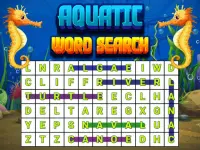
Find the complete word inside the grid
Super Word Search Game hides required words among letters. Locate the sequences and mark the words you find. Easy, medium and hard modes provide different starting points; hard adds a timer and multiplied points. Those mode differences make the current selection important before you decide how quickly to search.
Use the mouse on a computer or the available touch controls on a supported mobile device. Establish how the game accepts a selection before making a long gesture across an uncertain sequence. Check the full spelling and direction, because a convincing first few letters can still lead to the wrong ending.
Read the target list carefully. Notice repeated letters, an unusual letter combination or a distinctive beginning that may help you locate a candidate. This gives your eyes something specific to search for instead of moving around the grid without a reference.
Choose a consistent way to cover the board
One practical method is to inspect a row or section systematically, then move to another. Another is to locate occurrences of a distinctive letter and compare their neighbours with the target. These are search techniques to try, not claims that the game requires a particular order.
When a candidate breaks partway through the spelling, move on. Rechecking the same partial match cannot change the letters printed around it. Remember where the disagreement occurred and look for another starting point, rather than trying to make a familiar fragment fit the target.
Keep recognition and marking separate. First establish that the full sequence is present; then make a deliberate selection. If a word does not register, compare the chosen start, ending and direction with the intended letters before assuming that the search itself was wrong.
Adjust your method when the timer matters
Begin at a difficulty that lets you understand the selection process. Once the interaction feels dependable, try a mode that adds more pressure. In hard mode, the timer gives you a reason to recognise candidates promptly, but guessing repeatedly can interrupt a useful search pattern.
A short spelling check can still be worthwhile when two sequences look similar. Concentrate on the letter where they differ rather than rereading every nearby square. If you lose your place, return to a clear section boundary and continue from there; a consistent reference helps you avoid searching the same area several times unnoticed.
After an attempt, identify the difficult stage. You may have spent time locating a beginning, checking the remainder or making an accurate selection. Practise that stage on the next round instead of treating every delay as one general speed problem.
Choose another kind of careful inspection
The completed Puzzle category provides other tasks built around recognition and position. The Puzzles category is another browsing route when you want to change the material you inspect. Return to word games for letter-based challenges, and read each selected version's mode and selection prompts before assuming its grid directions, timer or scoring rules match this example.
Longer-looking candidates can be misleading when they share a common ending. Compare the complete target once before scanning and remember the part that distinguishes it from similar words. When selecting on a small screen, keep the intended ending visible so that your finger does not hide the last letter you need to check. An accurate, readable selection is a useful foundation before increasing the pace.